Edinburgh Fringe breaks attendance records as festival enters final week
The 2026 programme has drawn larger crowds than previous years, with organisers citing stronger international demand and expanded venue network.

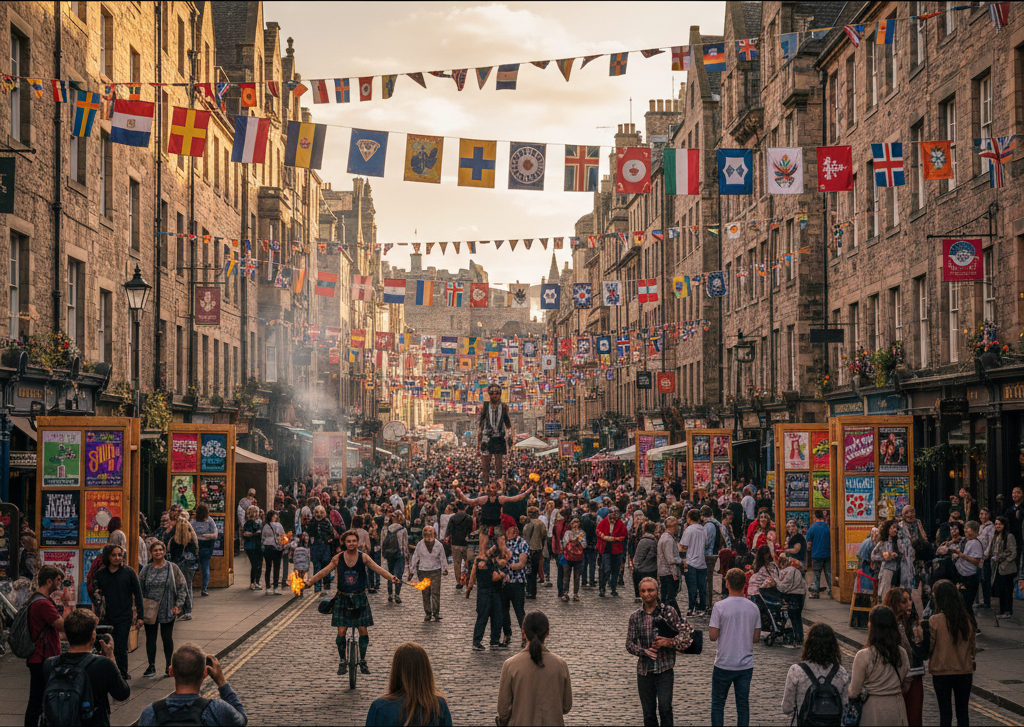
The Edinburgh Festival Fringe has surpassed its previous attendance record as the world's largest arts festival enters its final week, organisers confirmed this week. The 2026 programme has drawn significantly larger crowds than in recent years, with performances across the city's expanded venue network continuing to attract sell-out audiences.
Festival organisers attributed the record-breaking numbers to stronger international demand and a wider distribution of venues and performances throughout Edinburgh. The closing week is expected to maintain the momentum, with major productions and popular shows continuing their runs through the festival's conclusion.
Economic boost transforms Edinburgh's summer landscape
The surge in attendance has provided a substantial boost to Edinburgh's summer economy, with local venues reporting increased footfall and extended operating hours to accommodate demand. Traditional Fringe venues alongside newer spaces have benefited from the expanded programme, creating opportunities for both established and emerging performers.
Restaurant owners along the Royal Mile have reported revenue increases of up to 40% compared to the same period last year, with many establishments staying open until midnight to serve festival-goers. Pubs and bars have similarly extended their hours, with some venues hosting late-night comedy shows and cabaret performances to capitalise on the extended crowds.
The wider spread of performances across the city has also meant that areas beyond the traditional Royal Mile corridor are experiencing increased visitor numbers, distributing the economic impact more broadly throughout Edinburgh's cultural quarter. Venues in Leith, Stockbridge, and the New Town have reported unprecedented booking levels, with local businesses in these areas seeing spillover benefits from the festival's expanded footprint.
Infrastructure strains test city's capacity
However, the record attendance has intensified existing pressures on Edinburgh's infrastructure during the festival period. Transport networks, accommodation providers, and local services have faced increased strain as visitor numbers continue to climb throughout August.
Edinburgh's bus services have implemented emergency timetable adjustments, adding extra services on key routes connecting festival venues. The city's taxi operators have reported wait times extending beyond 45 minutes during peak evening hours, prompting some visitors to walk significant distances between venues.
The city's accommodation sector has reported near-capacity bookings, with many visitors securing lodging well beyond Edinburgh's boundaries. Hotels in Glasgow, Stirling, and even as far as Perth have reported Edinburgh festival-goers among their guests, with some visitors making daily commutes of over an hour to attend performances. Short-term rental properties have commanded premium rates, with some charging three times their usual August prices.
Global appeal drives international participation
The stronger international demand reflects the Fringe's growing global reputation, with performers and audiences travelling from across Europe, North America, and beyond to participate in the festival. This international dimension has contributed to both the attendance figures and the diversity of programming available across the city's venues.
American theatre groups have increased their presence significantly this year, with delegations from New York, Los Angeles, and Chicago presenting work across multiple venues. European performers, particularly from Germany and France, have also expanded their Fringe participation, bringing productions that have toured continental festival circuits.
The expanded venue network has allowed organisers to accommodate more productions while maintaining the festival's accessibility, though competition for prime performance slots remains intense among the thousands of acts seeking to make their mark during the three-week run. Some venues have introduced additional late-night slots to meet demand, with performances now running until 2am in certain locations.
Final week momentum builds toward conclusion
With major shows maintaining their popularity and several productions extending their runs due to demand, the festival's closing week promises to sustain the high attendance levels seen throughout August. Organisers expect weekend performances in particular to continue drawing capacity crowds as the 2026 festival reaches its conclusion.
Several high-profile comedy acts have announced additional performances for the final weekend, while theatre productions that had planned to close mid-week have secured extended runs through the festival's official end date. The traditional closing night celebrations are expected to draw the largest crowds in the festival's history.
The success of this year's programme, according to the BBC report, positions Edinburgh to build on its cultural reputation ahead of future festival seasons, though questions remain about managing growth while preserving the event's character and accessibility.
As Edinburgh prepares for the festival's final performances, the record attendance figures underscore the Fringe's continued evolution as both a cultural phenomenon and economic driver for Scotland's capital city. The challenge for future years will be maintaining this success while addressing the infrastructure pressures that have emerged alongside the festival's growth.