Edinburgh International Festival opens with radical change agenda and Scottish focus
Nicola Benedetti's second year as director brings climate themes, community outreach and major commissions for Scottish companies to the three-week programme.


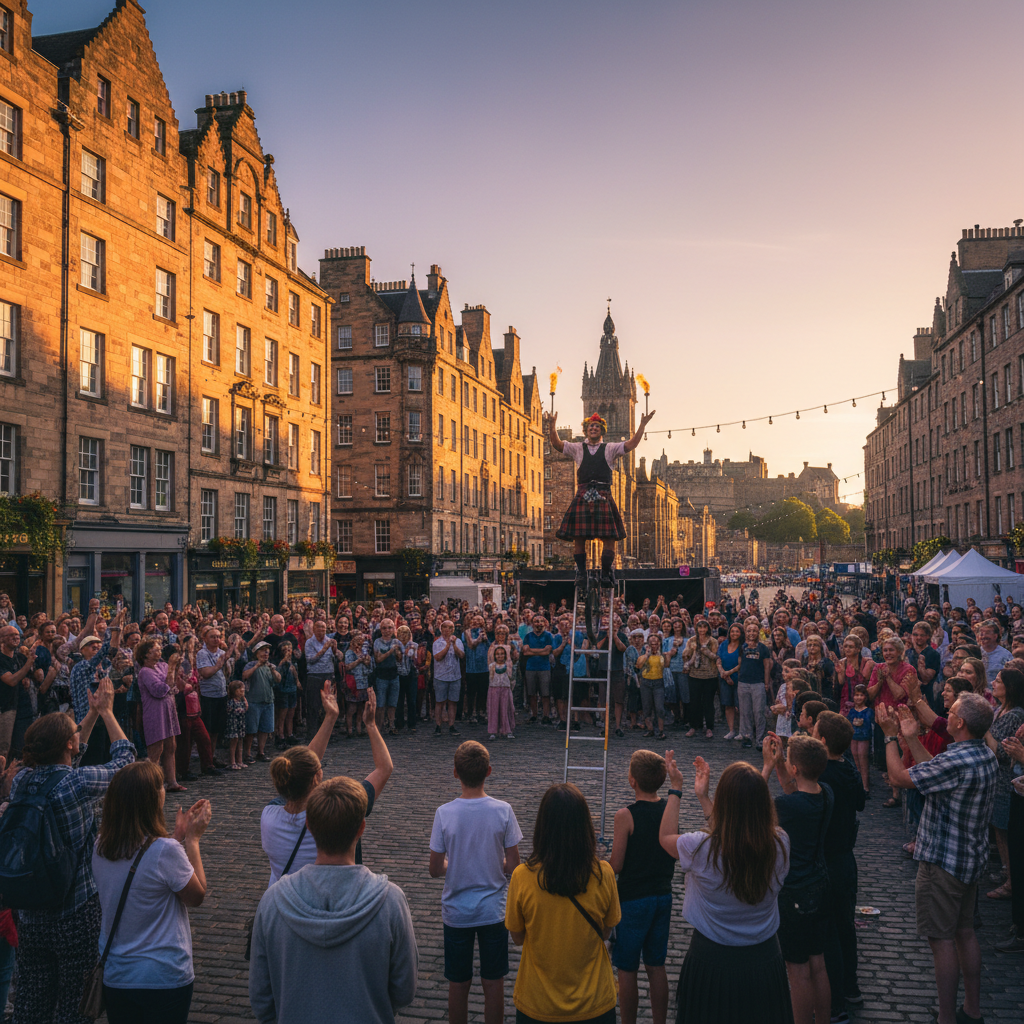
The 2026 Edinburgh International Festival opened on 26 July with a programme centred on radical change, social justice and the future of democracy, marking Festival Director Nicola Benedetti's most ambitious curation to date. The three-week festival heavily features Scottish artists and companies, including major new commissions for Scottish Opera, Scottish Ballet and the National Theatre of Scotland.
Benedetti's second year at the helm signals a deliberate shift toward locally rooted programming that addresses global concerns. The festival runs until mid-August, positioning itself as both a platform for Scottish talent and a forum for urgent political and environmental questions.
Climate and Constitutional Themes Take Centre Stage
A dedicated strand exploring climate and constitutional change anchors much of the programme, reflecting Scotland's ongoing debates about independence and environmental policy. Large-scale outdoor performances have been staged across Edinburgh, moving beyond traditional venue boundaries to engage with the city's public spaces.
The programming choices represent a marked departure from previous years' emphasis on international touring productions. Instead, Benedetti has commissioned work that speaks directly to Scottish experiences whilst maintaining global relevance. Several productions explicitly address Scotland's constitutional future, with performances examining themes of sovereignty, identity and democratic participation that resonate with current political discourse.
Environmental themes permeate multiple productions, with climate change serving as both subject matter and creative constraint. Several companies have adopted carbon-neutral production methods, whilst others have created work specifically about ecological crisis and community resilience.
Community Outreach Expands Beyond City Centre
Organisers have significantly expanded community work in Leith and Wester Hailes, areas traditionally underserved by festival programming. This outreach forms part of a broader strategy to address criticism about the festival's relationship with Edinburgh residents.
Thousands of low-cost and free tickets have been made available specifically for local residents, responding to ongoing debates about festival tourism and its impact on housing and daily life in the capital. The accessible pricing initiative represents one of the most substantial efforts to democratise festival attendance in recent years.
Community workshops and participatory events have been embedded throughout the programme, with local residents contributing directly to several productions. This collaborative approach extends beyond token consultation to meaningful creative partnership, addressing longstanding concerns about festivals treating Edinburgh as merely a backdrop for external cultural activity.
Transport links to outlying venues have been improved, with dedicated shuttle services connecting peripheral communities to central festival locations. These logistical changes reflect recognition that accessibility encompasses more than ticket pricing.
Scottish Companies Receive Major Investment
The festival's commitment to Scottish talent extends beyond programming to substantial financial investment. Scottish Opera, Scottish Ballet and the National Theatre of Scotland have all received major commissions, providing significant resources for new work development.
This investment strategy reflects Benedetti's vision of the festival as a catalyst for Scottish cultural production rather than simply a showcase for international work. The approach has drawn praise from local arts organisations who have historically struggled to secure festival platform opportunities.
The commissions include multi-year development programmes that extend beyond individual productions to capacity building within Scottish companies. This longer-term approach addresses systemic issues about cultural infrastructure and artistic development that have affected Scottish performing arts for decades.
Several emerging Scottish artists have received mentorship opportunities alongside established companies, creating pathways for career development that were previously unavailable. These programmes specifically target artists from underrepresented backgrounds, addressing diversity concerns that have affected Scottish cultural institutions.
Industry Response and Critical Reception
Early responses from cultural sector leaders have been largely positive, with several prominent figures praising Benedetti's commitment to local engagement whilst maintaining artistic standards. Critics have noted the programme's coherence around social themes, contrasting favourably with previous years' more scattered approaches.
International programmers and festival directors have expressed interest in Edinburgh's model, particularly the integration of community engagement with high-profile commissions. This attention suggests potential influence on festival programming beyond Scotland.
Some traditionalist voices have questioned whether the emphasis on local themes might compromise the festival's international reputation, though early attendance figures suggest strong visitor interest in the politically engaged programming.
Balancing Tourism and Local Identity
The festival's evolution comes amid intensifying discussions about Edinburgh's relationship with its summer festivals and their impact on residents. Benedetti's programming choices appear designed to address these tensions by creating work that serves both international visitors and local communities.
The emphasis on radical themes and social justice reflects broader cultural conversations about the role of arts institutions in political discourse. According to BBC Scotland's coverage, the festival's approach represents a significant departure from previous years' more traditional international programming.
Long-term Vision for Festival Direction
Benedetti's programming signals a longer-term shift in festival philosophy, moving away from the traditional model of importing international productions toward developing work that emerges from Scottish contexts whilst addressing universal themes. This approach positions the Edinburgh International Festival as both a local cultural institution and a global platform.
The success of this year's programme will likely influence future festival directions, particularly as other major cultural institutions grapple with questions about accessibility, community engagement and cultural relevance. The festival's ability to maintain international prestige whilst deepening local connections presents a model that extends well beyond Edinburgh's particular circumstances.
Plans for 2027 are already incorporating lessons from this year's community engagement programmes, with expanded partnerships being developed across Scotland's central belt. The festival's influence on year-round cultural programming in Edinburgh is becoming increasingly apparent.
Early audience responses and critical reception will provide crucial indicators of whether Benedetti's vision can successfully balance the competing demands of artistic excellence, community service and international recognition that define contemporary festival culture.