King Charles approves one-off bank holiday for Scotland's World Cup return
The special holiday on 15 June 2026 follows Scotland's opening match against Haiti, marking the team's first World Cup appearance since 1998.

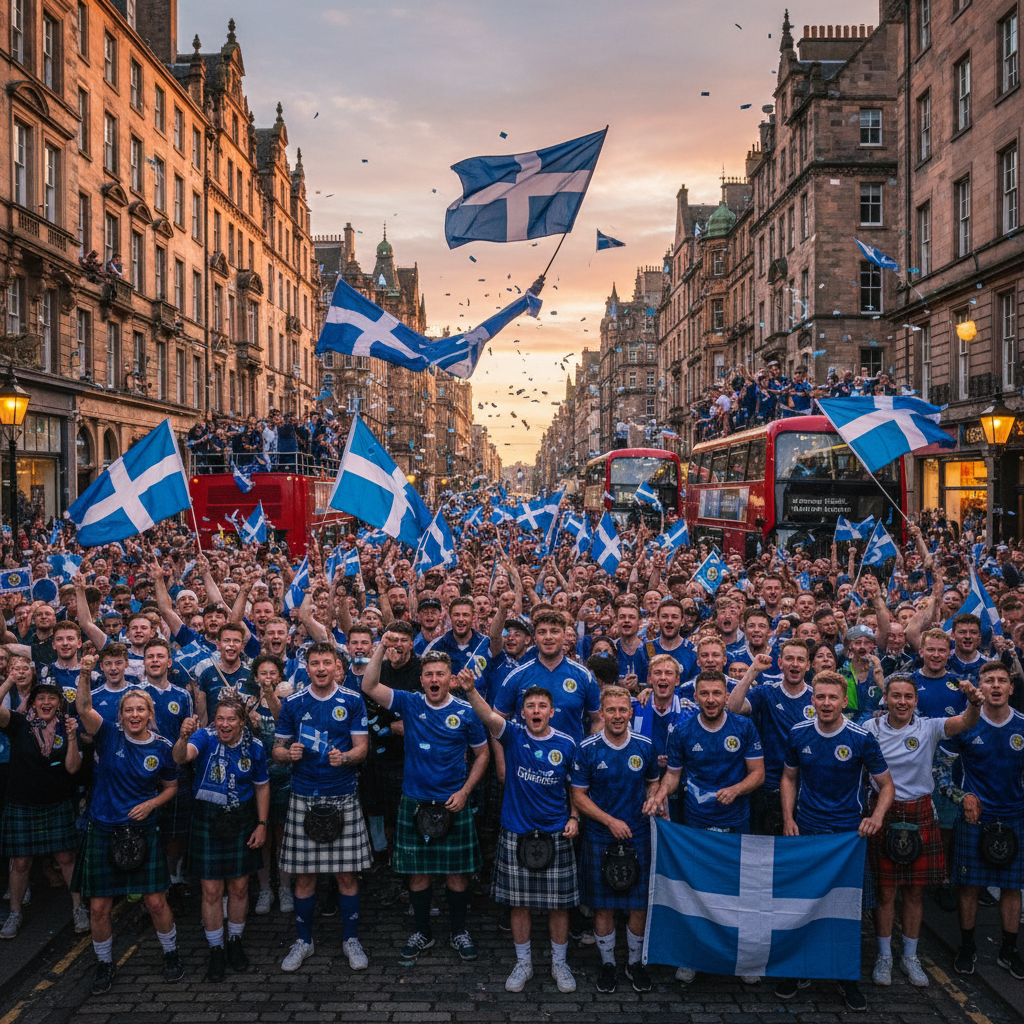
King Charles has approved a special one-off bank holiday for Scotland on Monday, 15 June 2026, to celebrate the men's national football team's return to the FIFA World Cup after a 28-year absence. The holiday falls the day after Scotland's opening group-stage match against Haiti, allowing supporters time to recover and mark what is being described as a historic milestone for Scottish football.
A proclamation issued under section 1(3) of the Banking and Financial Dealings Act 1971 formally designates the date as a bank holiday in Scotland. The move mirrors previous royal proclamations that have created one-off Scottish bank holidays for major national events such as the Coronation of King Charles III.
A Nation's Football Identity Recognised
The decision to grant a dedicated World Cup bank holiday reflects the profound place football holds in Scottish culture and identity. Scotland's absence from the World Cup since France 1998 has been a source of national disappointment, making the team's qualification for the 2026 tournament a moment of genuine celebration across the country.
The timing of the bank holiday acknowledges the reality of how Scots will want to mark the occasion. With the opening match against Haiti scheduled for Sunday, 14 June, the Monday holiday provides an opportunity for extended celebrations and recovery time for supporters who may have gathered in pubs, fan zones, or travelled to support the team.
For many Scottish workers, the holiday removes the awkward choice between calling in sick or missing what could be the most significant moment in Scottish football for a generation. The royal approval recognises that this is not merely a sporting event but a cultural milestone that deserves formal acknowledgement.
Business and Community Impact
The bank holiday will have significant implications for Scottish businesses and communities. Retailers, particularly those selling football merchandise and food and drink establishments, can expect increased trade as celebrations extend into the Monday. However, other sectors may face disruption as non-essential services close for the day.
Local authorities and community groups are already beginning to plan street parties and public viewing events that can now extend across the weekend without the constraint of Monday morning commitments. The holiday provides scope for more elaborate celebrations than would be possible with a standard weekend fixture.
Tourism operators anticipate increased demand for accommodation and travel packages around the World Cup dates, with the bank holiday potentially extending the economic benefit of Scotland's World Cup participation beyond the immediate matchday.
Historical Precedent and Royal Recognition
The proclamation continues a tradition of royal recognition for moments of national significance in Scotland. Previous one-off bank holidays have marked occasions such as royal coronations and jubilees, but this represents a rare instance of sporting achievement receiving such formal acknowledgement.
The use of the Banking and Financial Dealings Act 1971 demonstrates the constitutional mechanism available for creating special holidays, though such proclamations are typically reserved for events of exceptional national importance. The decision suggests official recognition that Scotland's World Cup return transcends sport to become a matter of national celebration.
According to the London Loves Business report, the proclamation follows established procedures for creating temporary public holidays, ensuring legal clarity for employers and workers across Scotland.
Looking Ahead to 2026
With the bank holiday now confirmed, attention turns to how Scotland will prepare for and celebrate the World Cup campaign. The Scottish Football Association and local authorities will need to coordinate public events and safety measures for what promises to be unprecedented levels of public celebration.
The holiday also provides additional time for supporters to organise travel to matches, particularly if Scotland progresses beyond the group stage. The extended weekend could become an annual template for future major tournament participation, should Scotland maintain their World Cup presence.
For Scottish football, the royal recognition of the World Cup return through a dedicated bank holiday represents validation of the sport's cultural importance and the significance of ending the 28-year absence from football's premier tournament. The Monday after the Haiti match will give the nation time to properly savour a moment many thought might never come.