Edinburgh Fringe 2026 programme launches with 3,649 shows across 258 venues
The world's largest arts festival unveils its programme with 1,748 premieres and nearly 700 Pay What You Want shows for Scottish audiences.
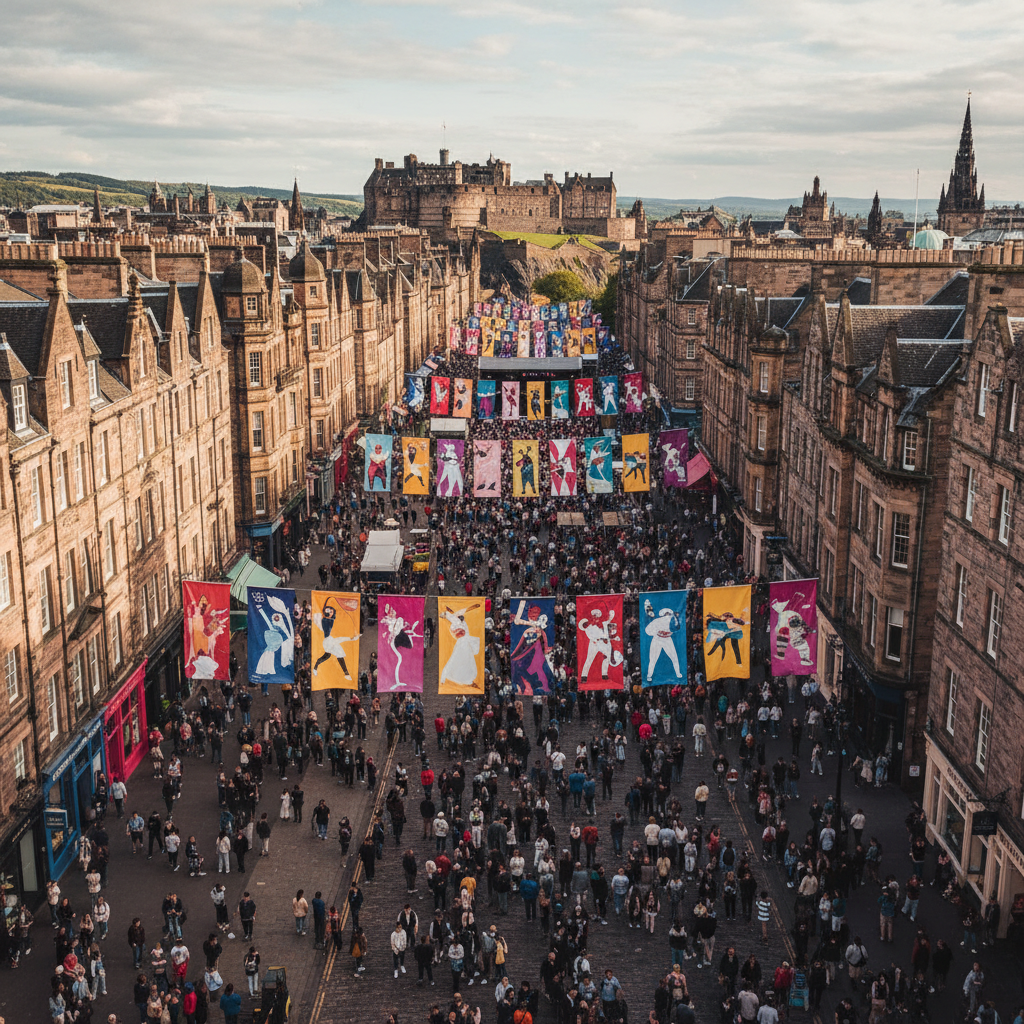
The Edinburgh Festival Fringe Society has launched its 2026 programme, featuring 3,649 shows across 258 venues throughout the Scottish capital. The programme, which went live in the first half of August, includes 1,748 world premieres and maintains the festival's position as the world's largest arts gathering.
The 2026 edition showcases 2,516 shows from UK-based companies alongside 1,133 international productions, reflecting the festival's blend of homegrown and global talent. Among the programme highlights, 691 shows will operate under Pay What You Want or Pay What You Can pricing structures, designed to improve accessibility for Edinburgh residents and visitors alike.
Record numbers across Scottish venues
The 258 participating venues span Edinburgh's historic city centre, from traditional theatres to converted spaces in churches, pubs, and community halls. This venue count represents the infrastructure supporting what has become Scotland's most significant annual cultural event, drawing performers and audiences from across the globe to the city each August.
The 1,748 premieres scheduled for 2026 indicate the festival's continued role as a launching pad for new work, with many productions using their Edinburgh run as a stepping stone to national and international tours. These world-first performances span theatre, comedy, dance, music, and spoken word across the festival's diverse programming.
Notable venues participating in 2026 include established spaces such as the Assembly Rooms and Pleasance Courtyard, alongside newer additions that have emerged from Edinburgh's expanding cultural infrastructure. The geographic spread extends beyond the Royal Mile to encompass venues in Leith, Stockbridge, and other Edinburgh neighbourhoods, distributing the festival's economic impact across the city.
Accessibility measures expand significantly
The 691 Pay What You Want and Pay What You Can shows mark a substantial portion of the overall programme, addressing long-standing concerns about festival accessibility for local audiences. These pricing models allow attendees to pay according to their means, with some shows accepting donations as low as £1 or offering completely free entry.
The pricing initiative particularly benefits Edinburgh residents, who often find themselves priced out of their own city's flagship cultural event due to premium ticket costs during the festival period. Students, pensioners, and families can now access a significant portion of the programme without the financial barriers that have historically limited local participation.
Beyond pricing, accessibility improvements for 2026 include enhanced wheelchair access at multiple venues, British Sign Language interpretation for selected performances, and audio description services for visually impaired audience members. Several venues have also introduced relaxed performances designed for audiences with autism or sensory processing differences.
International and UK programming balance reflects global reach
The split between UK and international shows—2,516 domestic productions versus 1,133 from abroad—reflects the festival's role as both a showcase for British talent and a global cultural exchange. Scottish companies form a substantial portion of the UK contingent, with many using the festival as their primary annual platform.
International participants represent companies from dozens of countries, bringing diverse perspectives and performance styles to Scottish audiences. This cultural exchange has historically influenced the development of Scotland's own theatre and performance scenes, with local artists incorporating techniques and approaches encountered during the festival.
Countries with significant representation in the 2026 programme include Australia, Canada, South Africa, and various European nations, many of which have established cultural exchange programmes with Scottish arts organisations. The international presence also includes refugee and asylum seeker theatre companies, reflecting the festival's commitment to amplifying marginalised voices.
Economic impact strengthens Scottish cultural sector
The scale of the 2026 programme reinforces Edinburgh's position as a global cultural destination, with the festival contributing significantly to the city's economy through accommodation, dining, and retail spending. The 258 venues involved range from major established theatres to small independent spaces, many of which rely on the festival for a substantial portion of their annual revenue.
Local hospitality and service industries prepare for the influx of performers, production teams, and audiences that the programme represents. Edinburgh's accommodation sector typically operates at near-capacity throughout August, with many residents temporarily relocating to capitalise on short-term rental opportunities.
The festival's economic impact extends beyond Edinburgh to the broader Scottish cultural ecosystem, with many companies using Fringe success to secure funding for year-round operations. The Edinburgh Festival Fringe Society announcement confirms the festival's continued expansion despite challenges facing the live performance sector.
August 2026 preparations intensify across Scotland
With the programme now live, venues and performers begin the final preparations for what promises to be one of the largest Fringe festivals on record. Ticket sales will indicate audience appetite for live performance following recent years of uncertainty in the cultural sector.
The festival runs throughout August 2026, with many shows performing daily across the month. Early booking typically proves essential for popular productions, whilst the Pay What You Want options provide flexibility for spontaneous attendance and discovery of new work.
Technical rehearsals and venue preparations will commence in late July, with many international companies arriving weeks early to adapt their productions to Edinburgh's unique performance spaces. The city's transport infrastructure also prepares for increased capacity demands, with additional bus services and extended operating hours planned for the festival period.