Scottish Government unveils new Gaelic culture strategy with major funding boost
Multi-year package targets education expansion and community support as ministers respond to concerns over declining native speaker numbers.

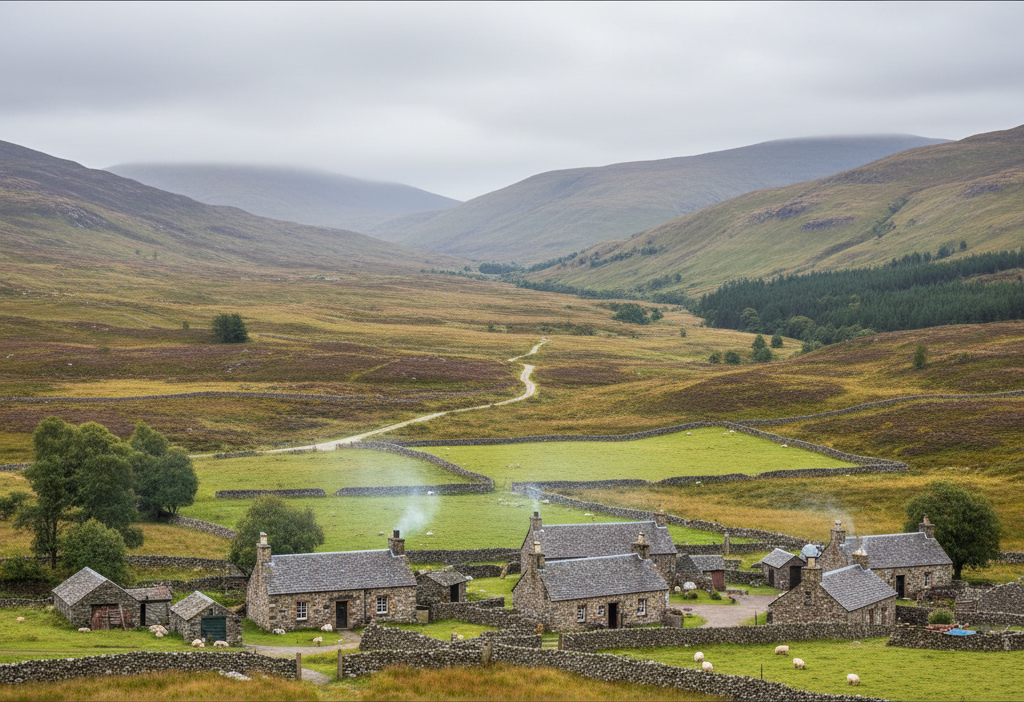
The Scottish Government announced a comprehensive new strategy on 30 July 2026 to support and grow Gaelic language and culture, backed by a multi-year funding package targeting community groups, education, and media initiatives across Scotland.
The plan sets out specific measures to expand Gaelic-medium schooling and strengthen support for island and rural communities where the language remains widely spoken. Ministers said the strategy directly responds to mounting concerns about declining numbers of native speakers and aims to make Gaelic more accessible to younger generations throughout Scotland.
Education and Community Focus
Central to the new approach is an expansion of Gaelic-medium education provision, with funding allocated to establish new programmes in areas where demand has previously gone unmet. The strategy acknowledges that many families seeking Gaelic education for their children have faced limited options, particularly outside traditional strongholds in the Highlands and Islands.
Island and rural communities receive particular attention in the funding framework, recognising these areas as crucial repositories of native Gaelic culture and daily usage. The package includes dedicated support for community-led initiatives that maintain and transmit traditional practices, from storytelling circles to local festivals celebrating Gaelic heritage.
Public Visibility and Cultural Projects
The announcement includes commitments to increase Gaelic's visibility in public life through partnerships with local authorities and cultural organisations. These collaborations will focus on events and creative projects that foreground Gaelic heritage, potentially transforming how the language appears in civic spaces and cultural programming across Scotland.
Creative practitioners and community organisers have long argued that sustained funding represents the missing piece in efforts to revitalise Gaelic culture. The new strategy appears designed to address this gap by providing multi-year certainty rather than the short-term grants that have characterised previous approaches.
Response to Demographic Concerns
The timing of the announcement reflects growing anxiety about Gaelic's long-term viability as a living language. Recent demographic trends have shown continued decline in native speaker numbers, particularly among younger age groups who might traditionally have acquired the language through family transmission.
Ministers framed the strategy as essential intervention to reverse these patterns, emphasising accessibility for younger generations as a core objective. The approach suggests recognition that preserving Gaelic requires more than maintaining existing provision—it demands active expansion into new communities and age groups.
The strategy also acknowledges the role of media in language transmission, with funding allocated to support Gaelic content creation and distribution. This component could prove particularly significant for reaching younger audiences who engage with culture through digital platforms and contemporary media formats.
Implementation and Community Impact
Local authorities will play a key role in implementing the strategy, working alongside cultural organisations to deliver programmes tailored to their specific communities. This localised approach recognises that Gaelic culture manifests differently across Scotland's diverse regions, from urban centres to remote island communities.
The multi-year funding commitment provides stability that community groups have consistently identified as crucial for effective planning and programme development. Previous initiatives have often struggled with uncertainty around continued support, limiting their ability to build sustained engagement and achieve meaningful cultural impact.
For smaller towns and island communities where Gaelic remains part of daily life, the strategy could enable significant expansion of cultural programming and educational opportunities. According to the BBC report, the comprehensive nature of the funding package suggests government recognition that supporting Gaelic culture requires coordinated investment across multiple sectors simultaneously.
The success of this strategy will likely depend on how effectively it bridges the gap between policy ambition and grassroots community needs. Early implementation phases will provide crucial indicators of whether the funding can translate into measurable increases in Gaelic engagement and cultural participation across Scotland's diverse communities.