Burnham announces £65m emergency drought funding for English and Welsh farmers
Prime Minister's package targets record dry conditions in July, with potential knock-on effects for Scottish agricultural supply chains.

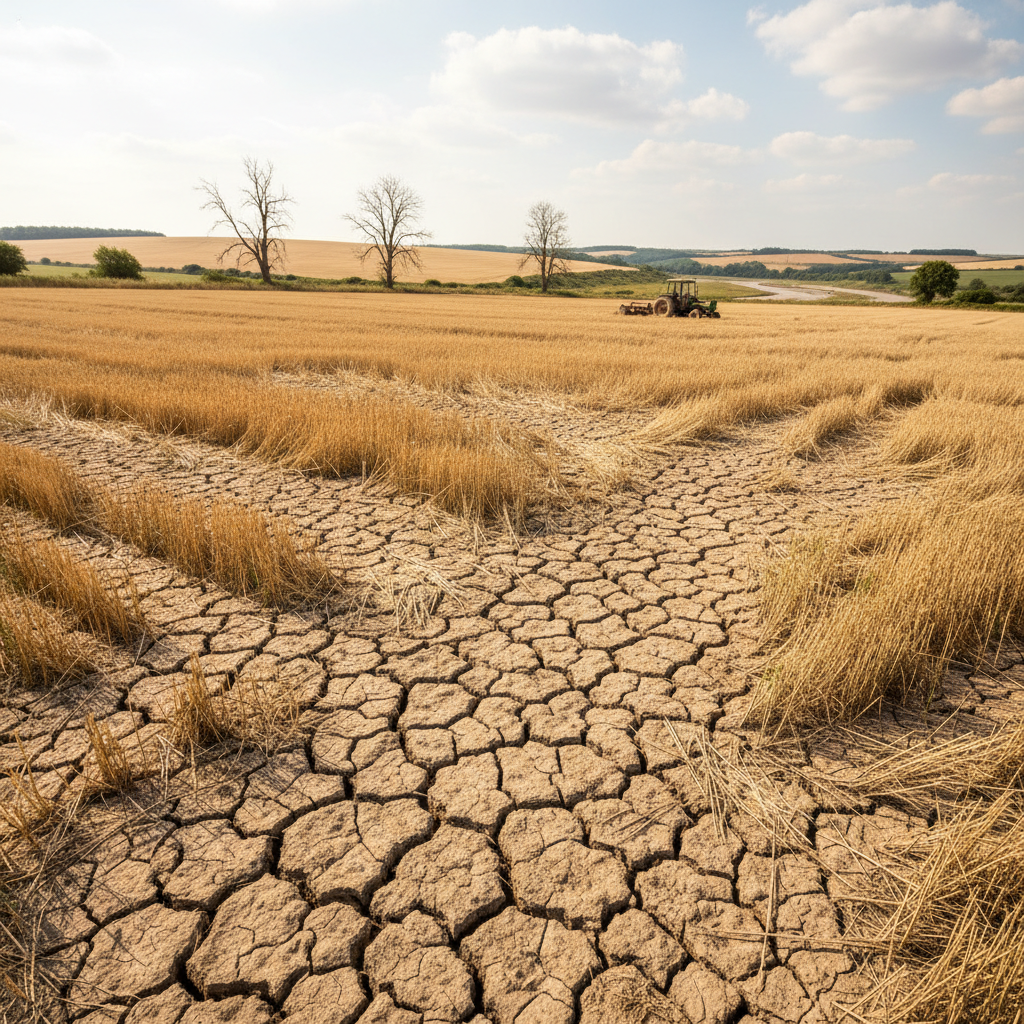
Prime Minister Andy Burnham announced a £65 million emergency funding package on 15 August to support farmers in England and Wales grappling with severe drought conditions following the driest July on record in both nations.
The intervention comes as agricultural businesses across the affected regions report widespread crop failures and mounting operational costs due to prolonged dry weather. Burnham described the funding as essential support for immediate losses, water management infrastructure, and stabilising rural economies hit by what officials characterise as climate-driven extreme weather.
Targeting immediate agricultural losses
The £65 million package will provide direct assistance to cover crop failures and increased irrigation costs that have mounted throughout the summer months. Water management measures form a central component of the support, addressing infrastructure needs as reservoirs and water sources reach critically low levels across England and Wales.
Agricultural businesses in the affected regions have reported significant financial strain as traditional rainfall patterns fail to materialise. The funding aims to prevent widespread farm closures that could destabilise rural communities already operating on thin margins. Emergency water supplies and temporary irrigation systems will receive priority funding allocation, with applications processed through regional agricultural offices.
Livestock farmers face particular challenges as pasture conditions deteriorate and feed costs escalate. The package includes provisions for emergency fodder supplies and water transportation to farms where traditional sources have dried up completely.
Industry reaction and regional response
The National Farmers' Union welcomed the announcement but cautioned that the scale of losses may exceed current funding levels. Regional farming representatives across the Midlands and East Anglia have reported crop yield reductions of up to 40% in some areas, with wheat and barley harvests particularly affected by the extended dry period.
Agricultural insurance claims have surged across affected regions as farmers document extensive crop damage and livestock stress. Industry bodies estimate that total losses could reach £200 million across England and Wales if current conditions persist through the traditional harvest window.
Water companies in drought-declared areas have implemented emergency protocols to maintain agricultural supplies while managing domestic consumption. Several major irrigation districts have suspended normal water allocations, forcing farmers to seek alternative sources at significantly higher costs.
Record drought conditions prompt intervention
July's status as the driest month on record in England and Wales provided the immediate trigger for Burnham's announcement. Meteorological data shows rainfall levels at just 15% of the long-term average across large swathes of both countries, with some regions recording no measurable precipitation for six consecutive weeks.
The Prime Minister positioned the emergency funding within a broader government strategy to address climate-driven weather events that increasingly threaten UK food security. Temperature records have compounded drought impacts, with sustained periods above 30°C accelerating soil moisture loss and crop stress across traditional farming heartlands.
The drought has created cascading effects beyond individual farm operations, with concerns mounting over long-term agricultural viability in traditionally productive regions. Water restrictions and emergency measures have become commonplace across affected areas as authorities struggle to balance agricultural needs with domestic supply requirements.
Scottish supply chain implications
While the funding targets farmers south of the border, Scottish agricultural businesses and food processors are monitoring potential supply chain disruptions. England and Wales provide significant volumes of grain, vegetables, and livestock feed that support Scottish farming operations and food production facilities.
Industry observers note that crop failures in England could drive up input costs for Scottish farmers who rely on cross-border agricultural supplies. Feed prices and raw material costs may increase as drought-affected regions struggle to meet traditional production levels, creating indirect pressure on Scottish rural economies despite more favourable weather conditions north of the border.
Scottish grain merchants have already reported increased demand from English buyers seeking alternative supplies, potentially tightening domestic availability and pushing up local prices. Food processing facilities that depend on English vegetable supplies are exploring alternative sourcing arrangements to maintain production schedules.
Implementation timeline and future measures
Burnham framed the emergency funding as part of an expanded government approach to extreme weather events that threaten agricultural stability across the UK. The intervention signals recognition that climate-driven disruptions require coordinated policy responses beyond traditional farming subsidies and support mechanisms.
The timing of the announcement, coming during peak growing season, reflects urgency around preventing further deterioration in affected regions. According to Reuters reporting, the package represents one of the largest single emergency agricultural interventions in recent years, highlighting the scale of drought impacts across England and Wales.
Implementation details remain under development, with funding expected to flow through existing agricultural support channels within three weeks. The government has indicated that additional measures may follow if drought conditions persist into the autumn harvest period, with contingency planning already underway for extended support programmes.
Treasury officials confirmed that the £65 million allocation draws from existing emergency reserves, avoiding immediate budget adjustments while maintaining capacity for further interventions if weather patterns fail to improve through September.