Scottish Government opens consultation on council tax reform
Ministers propose revaluing homes using current market values and adding new bands, with transitional protections for households facing higher bills.

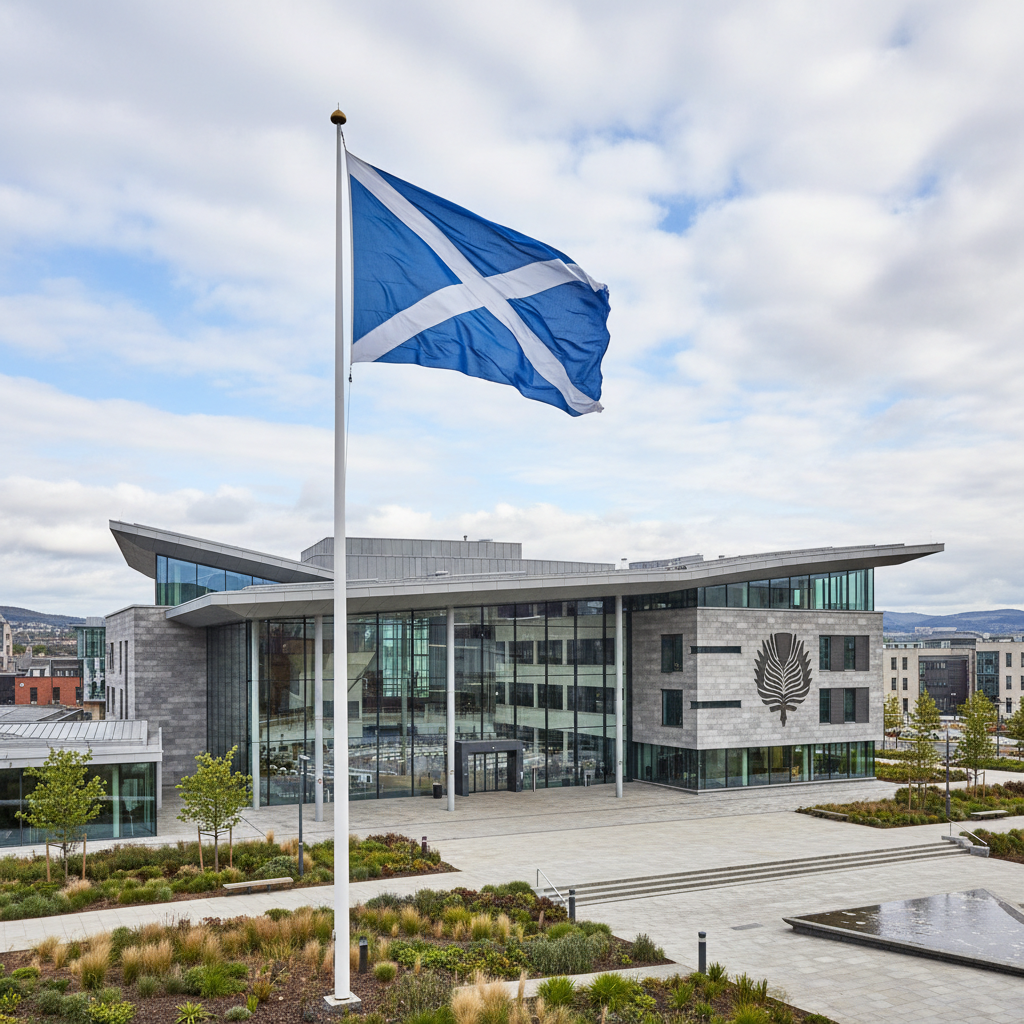
The Scottish Government has launched a consultation on reforming Scotland's council tax system, proposing to update property valuations from 1991 figures to current market values and introduce new bands at both ends of the scale. Ministers say the changes are designed to be revenue neutral, maintaining the total amount raised across Scotland while potentially redistributing the burden between households.
The consultation paper outlines several key proposals including revaluing all domestic properties using today's market values rather than the decades-old assessments currently in use. Additional bands would be added above and below the existing A-H scale to better reflect the range of property values across Scotland, with transitional protections offered to households facing significant bill increases.
Timing follows council tax rises across Scotland
The consultation comes as several Scottish councils have implemented steep council tax increases for the current financial year. North Ayrshire Council pushed through an 8.5% rise, while Orkney Islands Council approved a 6% increase, according to recent BBC reporting. These rises have added pressure on household budgets already stretched by the cost of living crisis.
The current council tax system has faced criticism for decades, with property values frozen at 1991 levels despite significant changes in Scotland's housing market. A typical Band D property in Edinburgh or Glasgow today would likely fall into a higher band if valued at current market rates, while rural properties may see different impacts depending on local market conditions.
Revenue neutral approach proposed
Scottish ministers emphasise that the reforms aim to maintain overall revenue neutrality, meaning the total amount collected through council tax would remain broadly unchanged. However, individual households could see their bills rise or fall depending on how their property's current value compares to others in their area and across Scotland.
The consultation suggests transitional arrangements to protect households from sudden large increases, though specific details of these protections have not been finalised. Local authorities would retain the ability to set their own council tax rates within the reformed system, maintaining the link between local democratic accountability and funding decisions.
Long-awaited reform finally launched
Council tax reform has been a recurring theme in Scottish politics since the system replaced the poll tax in 1993. The SNP government has previously commissioned reviews and studies on alternatives, including consideration of a local income tax, but none have progressed to implementation.
The current consultation represents the most concrete step toward reform in recent years, building on commitments made in the SNP's manifestos and coalition agreements. Housing market changes since 1991 have created significant disparities between actual property values and the bands used for council tax calculations, with some areas seeing house prices rise far faster than others.
According to the Scottish Government consultation document, the proposals aim to create a fairer system that better reflects ability to pay while maintaining stable funding for essential local services including education, social care, and waste collection.
What happens next
The consultation will run for 12 weeks, closing in October 2026, with responses invited from households, local authorities, and representative organisations. The Scottish Government plans to analyse feedback before deciding which proposals to take forward, with any changes requiring primary legislation at Holyrood.
If approved, the reforms would likely be phased in over several years to allow households and councils to adjust. The earliest implementation date would be April 2028, giving time for the comprehensive revaluation exercise that would be required across Scotland's 2.6 million domestic properties.
Local government leaders have broadly welcomed the consultation while calling for adequate funding to maintain services during any transition period. The Convention of Scottish Local Authorities has previously argued that council tax reform must be accompanied by wider discussions about local government funding and fiscal powers.