UK government announces £1.4bn flood defence investment for England
Westminster commits major funding for over 600 flood protection schemes in 2026/27, raising questions about Scottish resilience priorities.


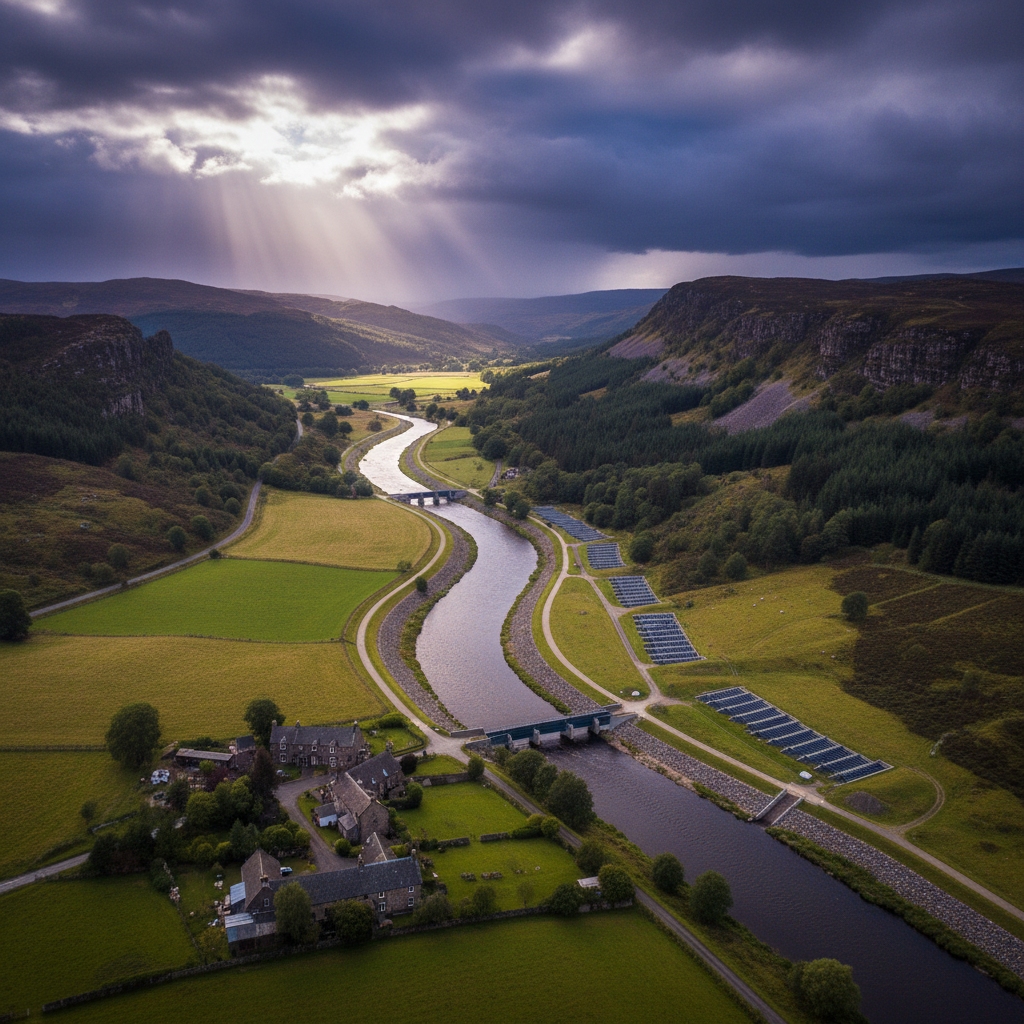
The UK government has announced £1.4bn in flood defence funding for 2026/27, covering more than 600 schemes across England. The investment package includes money for new and existing flood and coastal defence projects, repairs and maintenance of Environment Agency assets, and wider resilience work aimed at protecting homes, businesses and critical infrastructure.
The announcement forms part of a longer-term commitment to flood protection extending into the 2030s, following repeated severe flooding events that have exposed vulnerabilities in existing defences. Officials said the policy aims to reduce risks to residential areas, commercial properties and key infrastructure networks.
Major Infrastructure Investment
The £1.4bn allocation represents one of the largest single-year commitments to flood defence infrastructure in recent memory. The funding will support over 600 individual schemes across England, ranging from new coastal barriers to upgrades of existing river defences and maintenance of Environment Agency flood management assets.
The investment comes as climate change continues to intensify weather patterns, with more frequent extreme rainfall events and rising sea levels placing additional pressure on existing flood protection systems. The government's approach combines immediate protective measures with longer-term resilience planning designed to protect communities well into the next decade.
Environment Secretary officials indicated the funding would prioritise areas with the highest flood risk ratings, including coastal communities facing erosion and inland areas with histories of river flooding. The schemes will range from major engineering projects costing tens of millions to smaller community-level interventions protecting individual neighbourhoods.
Political Response and Regional Concerns
The announcement has drawn mixed reactions from political figures and flood-affected communities. Conservative MPs in flood-prone English constituencies welcomed the commitment as overdue recognition of infrastructure needs, while opposition parties questioned whether the funding adequately addresses the scale of climate risks facing the UK.
Liberal Democrat environment spokesperson Tim Farron described the investment as "a step in the right direction but still insufficient given the mounting climate emergency." Labour's shadow environment team called for greater transparency about how schemes would be selected and prioritised across different regions.
Environmental groups have expressed cautious optimism while emphasising the need for nature-based solutions alongside traditional engineering approaches. The Wildlife Trusts highlighted the importance of wetland restoration and natural flood management techniques that could provide multiple benefits for biodiversity and flood protection.
Scottish Implications and Devolved Responsibilities
While the funding announcement specifically targets England through Environment Agency programmes, questions remain about potential spillover benefits for Scottish communities facing similar flood risks. Scotland manages its own flood defence strategy through the Scottish Environment Protection Agency (SEPA) and local authorities, with separate funding streams from the Scottish government.
Scottish flood-prone areas, particularly in the Borders, Central Belt and coastal regions, have experienced significant flooding in recent years. The scale of Westminster's English investment may prompt discussions about equivalent Scottish government commitments and whether cross-border coordination could enhance overall UK resilience.
SEPA's current flood risk management strategies operate on six-year cycles, with the most recent plans covering 2022-2028. Scottish government funding for flood defences has typically run at around £42m annually, significantly lower per capita than the English allocation when the £1.4bn is spread across population figures.
SNP environment spokesperson Lorna Slater noted the disparity, stating that Scottish communities deserve equivalent protection levels regardless of constitutional arrangements. She called for urgent discussions about whether Barnett formula calculations should trigger additional Scottish funding to match the English investment scale.
Historical Context and Lessons Learned
The announcement follows a pattern of severe flooding events across the UK that have highlighted infrastructure gaps and community vulnerabilities. Storm Desmond in 2015 caused widespread flooding across Cumbria and southern Scotland, while more recent events including Storm Ciara and Storm Dennis demonstrated ongoing weaknesses in flood protection systems.
The 2019 flooding in South Yorkshire and the Midlands alone caused damages exceeding £100m, while Scottish communities along the River Forth and in Aberdeenshire have faced repeated inundation despite existing defence measures. These events have shaped government thinking about the need for sustained, substantial investment rather than reactive emergency spending.
Insurance industry figures suggest flood damages across the UK have averaged over £700m annually in recent years, making the case for preventative investment that could reduce long-term costs to both public finances and private insurers.
Implementation Timeline and Future Planning
The 2026/27 funding window indicates a planned rollout over the coming financial year, with schemes likely requiring detailed planning and environmental assessments before construction begins. The Environment Agency will oversee distribution of funds across the 600+ approved projects, prioritising areas with highest risk profiles and greatest potential impact.
Project selection criteria will include cost-benefit analysis, environmental impact assessments, and community consultation processes. The government indicated that schemes already in advanced planning stages would receive priority, potentially meaning some projects could begin construction within 18 months.
For Scottish communities, the announcement may influence discussions about devolved funding priorities and whether similar scale investments could be justified north of the border. According to the government announcement, the commitment represents part of a broader strategy to enhance UK-wide resilience against climate-related risks.
The success of England's flood defence programme may provide valuable lessons for Scottish policymakers considering their own infrastructure priorities, particularly as both nations face similar challenges from changing weather patterns and coastal erosion. Whether Westminster's investment scale prompts comparable Scottish government commitments remains to be seen as budget discussions continue ahead of the next Scottish spending review.