Home Office moves first asylum seekers into former army camp as housing crisis deepens
Twenty-seven men have been relocated to the East Sussex site as part of the government's expanded use of military accommodation for asylum housing.

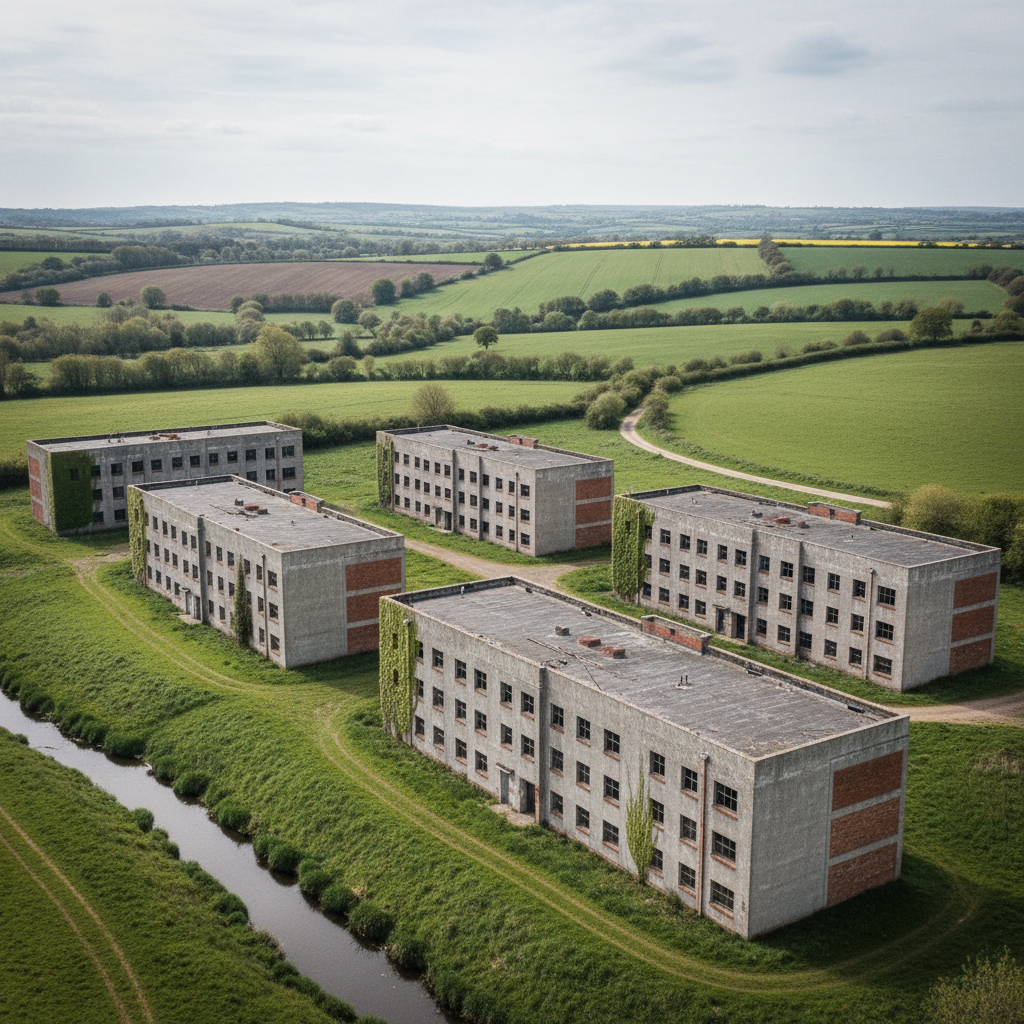
The Home Office has moved the first 27 asylum seekers into the former Crowborough army training camp in East Sussex, marking another step in the government's controversial shift towards using military sites for immigration accommodation. Officials confirmed the site is expected to expand to house more than 500 people, though earlier planning documents had suggested capacity for around 600 asylum seekers.
The relocation represents the latest development in Westminster's increasingly hardline approach to asylum housing, with implications that extend far beyond the immediate East Sussex community to devolved administrations across the UK, including Scotland.
Local opposition emerges as first residents arrive
The arrival of asylum seekers at Crowborough has already sparked protests from local residents and criticism from policy opponents. Local councillors have expressed concerns about the lack of consultation with the community before the site became operational, with some residents organising demonstrations outside the facility gates.
The former military training facility joins a growing network of non-traditional accommodation sites being pressed into service as the government grapples with housing pressures in the asylum system. Community groups have raised questions about the adequacy of support services and integration programmes at the East Sussex location.
Opposition MPs have criticised the government's approach, arguing that large-scale institutional accommodation undermines efforts to help asylum seekers integrate into British society. The move comes as part of a broader strategy that has seen the Home Office increasingly turn to military bases, former student accommodation, and other institutional buildings to house asylum seekers while their claims are processed.
Wider implications for devolved housing policy
For Scottish readers, the Crowborough development signals the Home Office's determination to pursue centralised solutions to asylum housing challenges, potentially increasing pressure on devolved and local authorities to accept similar arrangements. The use of former military sites reflects Westminster's willingness to override local concerns in pursuit of accommodation capacity.
The Scottish Government has previously expressed reservations about large-scale accommodation centres, preferring dispersed housing models that allow asylum seekers to integrate more effectively into local communities. The expansion of institutional housing for asylum seekers has already created tensions between the UK government and devolved administrations, with questions arising about consultation processes and the impact on local communities.
Scotland's distinct approach to refugee integration may face additional challenges as the Home Office scales up its use of large-scale accommodation centres. The policy divergence could create complications for asylum seekers who may be moved between different types of accommodation as their cases progress through the system.
Military sites become key housing strategy
The Crowborough camp joins other former military installations being converted for asylum accommodation as the government moves away from dispersed housing models towards larger, centralised facilities. This shift represents a significant change in policy direction, with potential consequences for how asylum seekers integrate into local communities.
The Home Office has identified several additional military sites across England for potential conversion, suggesting the Crowborough model could be replicated elsewhere. Officials argue that centralised accommodation allows for more efficient service delivery and better security arrangements, though critics contend this approach isolates asylum seekers from mainstream society.
The development also highlights the ongoing capacity pressures within the asylum system, as traditional accommodation options struggle to meet demand. According to the BBC report, the site's capacity expansion from initial estimates suggests the government expects sustained demand for asylum accommodation well into the future.
Political pressure mounts on accommodation policy
The Crowborough move is likely to intensify political debate about asylum housing policy, particularly as it affects communities across England and potentially influences arrangements in Scotland and other devolved nations. Local opposition to the East Sussex site may preview similar resistance to future military site conversions, creating additional challenges for government implementation plans.
Conservative MPs have defended the policy as a necessary response to accommodation pressures, while Labour politicians have called for greater community consultation and improved support services at institutional sites. The debate reflects broader tensions about immigration policy and its local impacts across the UK.
As the Home Office continues expanding its use of institutional accommodation, questions remain about the long-term sustainability of this approach and its impact on asylum seekers' ability to integrate into British society. The policy shift may also create additional administrative and financial pressures on local authorities already stretched by housing demands, particularly as they manage the transition of asylum seekers from institutional to community-based accommodation.