Kenoteq secures £900,000 funding to expand recycled brick production in Scotland
Glasgow-based Kelvin Capital leads investment round for sustainable construction materials firm as discussions continue for additional backing towards £2 million total.

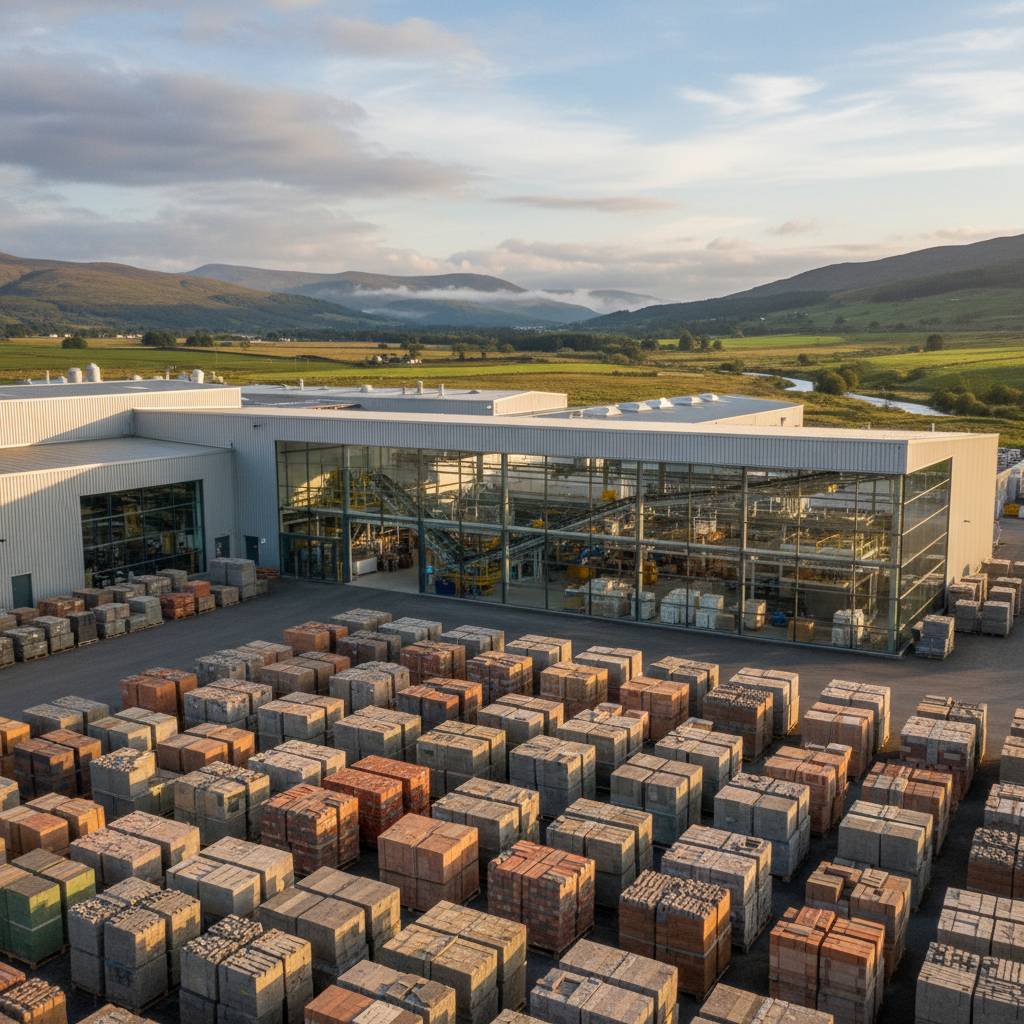
Sustainable construction materials company Kenoteq has raised almost £900,000 in new funding to expand production of its flagship recycled brick product at its Scottish base. The funding round, announced on 17 August, was led by Glasgow-based investor Kelvin Capital and supported by the Scottish Enterprise Co-Investment Fund alongside existing private investors.
The company plans to use the capital to increase manufacturing capacity for its low-carbon bricks, which are made largely from construction and demolition waste. This positions Kenoteq to serve what it sees as a growing UK and European green building market driven by tightening environmental regulations and corporate sustainability targets.
Strong investor confidence signals sector growth
Discussions are continuing with additional prospective backers to take the total raise towards £2 million, according to the company. This level of investor interest signals strong confidence in Scotland's emerging circular-economy construction sector, where traditional building materials face increasing scrutiny over their carbon footprint.
Kelvin Capital's decision to lead the round reflects growing institutional appetite for Scottish cleantech ventures. The Glasgow-based firm has previously backed several sustainability-focused companies across Scotland, indicating a strategic focus on environmental technology investments. The Scottish Enterprise Co-Investment Fund's participation further underscores public sector backing for companies developing low-carbon alternatives to conventional construction materials.
The involvement of existing private investors in the round suggests sustained confidence from early backers who have witnessed Kenoteq's progress since its initial funding phases. This combination of new institutional investment and continued private support creates a strong foundation for the company's expansion plans.
Recycled bricks target construction waste challenge
Kenoteq's bricks are manufactured primarily from construction and demolition waste, addressing both the industry's disposal challenges and demand for lower-emission building materials. The construction sector generates significant waste volumes, with much currently sent to landfill despite potential for reuse in new products.
The company's approach transforms this waste stream into building materials that can compete with traditional clay bricks while offering reduced environmental impact. This circular economy model has attracted attention from developers and contractors seeking to meet increasingly stringent sustainability requirements in both public and private projects.
Traditional brick manufacturing involves high-temperature kilns that consume substantial energy, typically from fossil fuels. Kenoteq's process reduces energy requirements while diverting waste from landfill sites, creating dual environmental benefits that appeal to construction firms under pressure to demonstrate lower carbon footprints across their supply chains.
Green building market drives expansion plans
The funding will enable Kenoteq to scale up production to meet anticipated demand across UK and European markets. Green building standards are becoming more rigorous, with regulations in several European countries now requiring developers to demonstrate lower carbon content in construction materials.
Scotland's construction industry has shown particular interest in sustainable alternatives, driven partly by the Scottish Government's net-zero commitments and public sector procurement policies favouring low-carbon options. This creates a supportive domestic market for companies like Kenoteq as they scale operations.
The European Union's Green Deal and associated construction regulations are creating additional market opportunities for companies producing sustainable building materials. Several major UK construction firms have already expressed interest in incorporating recycled bricks into their projects as part of broader sustainability strategies.
Housing associations and local authorities across Scotland have begun specifying sustainable materials in new developments, creating a pipeline of potential customers for Kenoteq's expanded production capacity. This public sector demand provides stability as the company scales manufacturing operations.
Outlook for Scottish circular economy construction
The successful funding round positions Kenoteq among a growing cohort of Scottish companies developing circular economy solutions for construction. According to the Daily Business Group report, the company's progress reflects broader momentum in Scotland's cleantech sector, where investors are increasingly backing firms with proven technologies addressing environmental challenges.
With discussions ongoing for additional investment to reach £2 million total funding, Kenoteq appears well-placed to capitalise on regulatory trends favouring sustainable construction materials. The company's Scottish base provides access to both domestic markets embracing green building standards and proximity to European markets implementing similar requirements.
The expansion of recycled brick production could also contribute to Scotland's green jobs agenda, as increased manufacturing capacity typically requires additional skilled workers in both production and technical roles. Success for companies like Kenoteq may encourage further investment in Scotland's circular economy construction sector.
Industry analysts expect demand for sustainable construction materials to accelerate through 2025 as new building regulations take effect across European markets. This timeline aligns with Kenoteq's expansion plans, potentially positioning the company to capture significant market share as regulatory requirements drive adoption of lower-carbon alternatives to traditional building materials.