Ferguson Marine to cut 70 jobs despite new Scottish Government ferry contracts
State-owned shipbuilder announces redundancies at Port Glasgow yard ahead of four-vessel construction programme starting later this year.

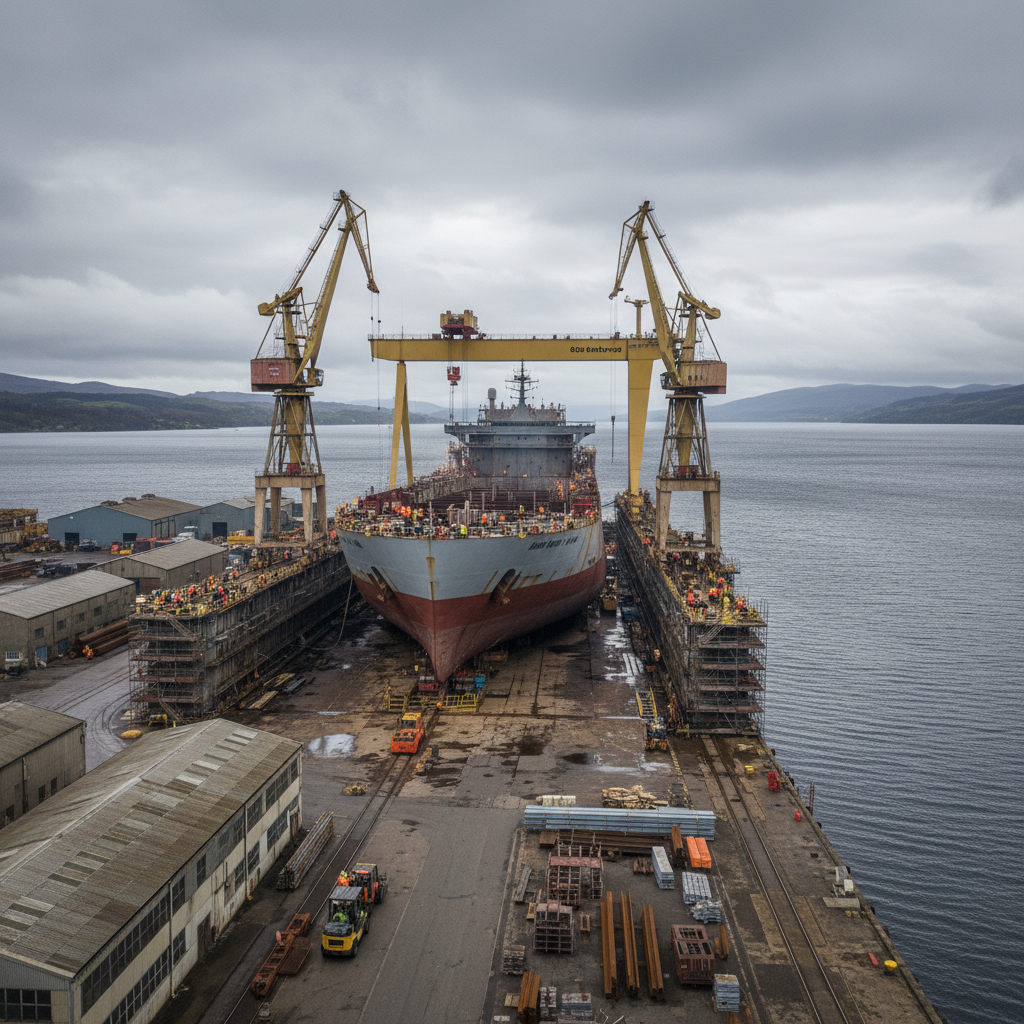
State-owned shipbuilder Ferguson Marine will cut around 70 jobs at its Port Glasgow yard despite being awarded four new vessel contracts by the Scottish Government in March. The redundancies, announced on 18 August, come as the firm prepares to bridge a gap in its work pipeline before construction on the new ferries begins.
Management said the job losses are necessary to manage the transition period after years of financial strain and project delays that have plagued Scotland's only remaining commercial shipyard. The cuts affect skilled workers across various departments at the Inverclyde facility, including welders, fitters, and engineering support staff who have been with the company through its turbulent recent history.
Timing raises questions over planning
The redundancy announcement comes just five months after the Scottish Government directly awarded Ferguson Marine contracts for four new vessels as part of its ferry replacement programme. The timing has raised questions about workforce planning at the state-backed yard, which the Scottish Government rescued from administration in 2019 for £45 million.
Union representatives have expressed concern about losing experienced shipbuilding expertise during what should be a period of expansion. GMB Scotland organiser Louise Gilmour described the cuts as "devastating for workers and their families" and questioned why the Scottish Government had not coordinated contract timing better to avoid the employment gap.
Local politicians have also questioned how the job cuts align with the Scottish Government's stated commitment to maintaining shipbuilding capacity in Scotland. Stuart McMillan, MSP for Greenock and Inverclyde, called for urgent clarity on the yard's future workforce requirements and criticised what he termed "stop-start employment patterns" that undermine worker confidence.
Economic impact on Inverclyde
The redundancies will have a significant impact on the Inverclyde economy, where Ferguson Marine employs approximately 350 people and serves as one of the area's largest industrial employers. Skilled shipbuilding jobs typically pay above the regional average, with experienced tradespeople earning between £35,000 and £50,000 annually.
Local representatives have called for clearer long-term planning to prevent similar workforce disruptions in future. Inverclyde Council leader Stephen McCabe warned that repeated job uncertainty damages the area's ability to attract and retain skilled workers, particularly younger tradespeople who might seek more stable employment elsewhere.
The cuts also affect the broader supply chain, with local engineering firms and specialist contractors likely to see reduced demand during the transition period. Business leaders in the area have expressed frustration at the cyclical nature of employment at what was once Scotland's premier shipbuilding facility.
Pressure mounts on Scottish Government
The Scottish Government faces growing pressure to explain how the job cuts fit with its broader industrial strategy and ferry replacement plans. Transport Secretary Fiona Hyslop has defended the contract awards as essential for Scotland's island communities but has yet to address the workforce planning concerns directly.
Critics argue that the situation exposes weaknesses in long-term planning for Scotland's publicly owned shipbuilding capacity. Conservative MSP Maurice Golden accused the government of "lurching from crisis to crisis" at Ferguson Marine without developing sustainable employment strategies.
Ferguson Marine has been central to Scotland's ferry procurement strategy since its nationalisation, but has struggled with cost overruns and delays on previous projects. The yard's most high-profile contracts - two ferries for CalMac originally budgeted at £97 million - eventually cost over £400 million and were delivered years behind schedule, according to the Daily Business Group report.
Future of Scottish shipbuilding
The redundancies highlight ongoing challenges in maintaining a viable shipbuilding industry in Scotland. While the four new contracts provide work for the coming years, questions remain about the yard's long-term sustainability and its role in the Scottish Government's transport infrastructure plans.
Industry observers note that maintaining skilled shipbuilding capacity requires consistent work flows and strategic planning. The current situation at Ferguson Marine demonstrates the difficulties of balancing immediate financial pressures with longer-term industrial objectives in a publicly owned facility.
Ferguson Marine chief executive David Tydeman has indicated that the new vessel construction should begin by late 2024, but has not provided specific timelines for recalling workers or hiring additional staff. The company is also exploring opportunities in the offshore wind sector to diversify its revenue streams and create more stable employment patterns.
The Scottish Government has yet to provide detailed timelines for when construction on the new vessels will begin or how it plans to prevent similar workforce disruptions in future contract transitions. Ministers are expected to face further scrutiny when parliament returns from recess in September.