Clas-SiC Wafer Fab secures £1.9m government grant for semiconductor expansion
The Scottish semiconductor manufacturer will use the funding to upgrade technology and equipment as part of a £12m investment to meet growing demand for electric vehicle components.

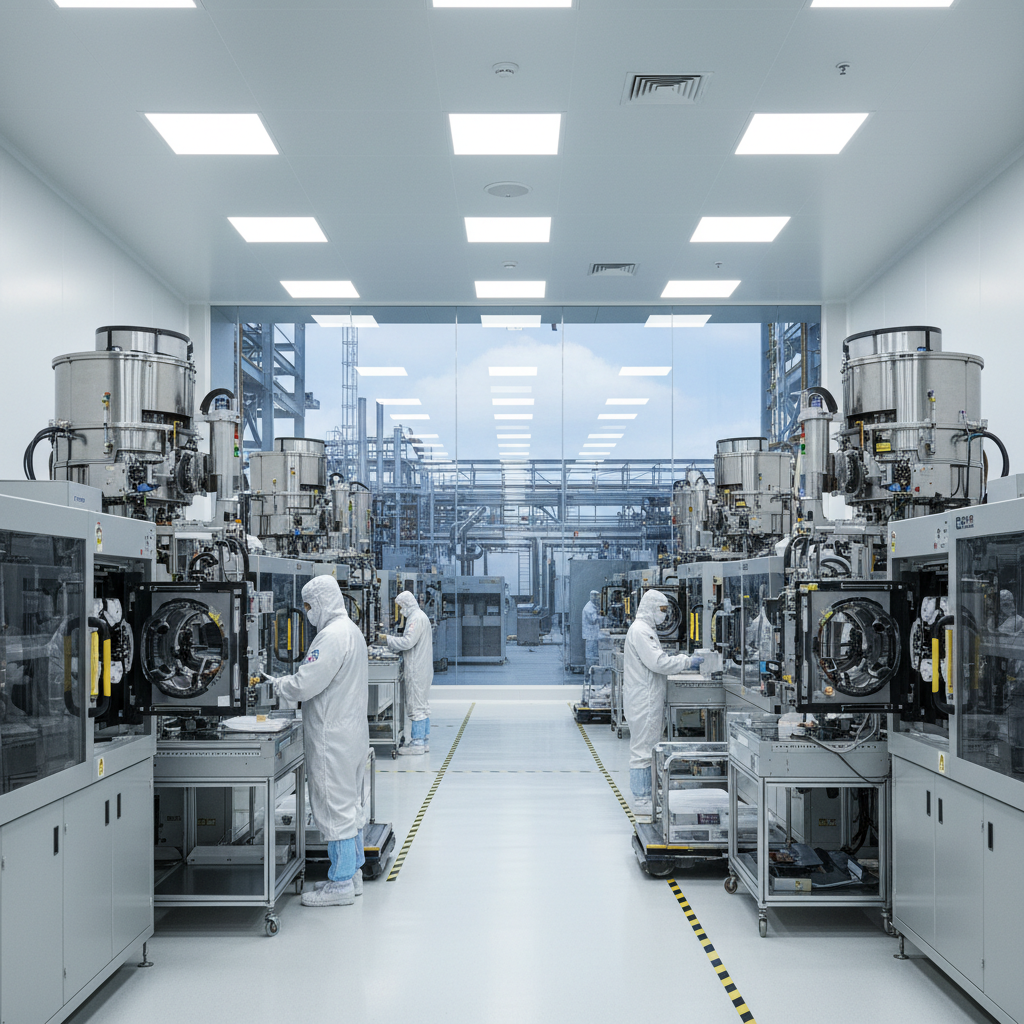
Clas-SiC Wafer Fab has been awarded a £1.9 million government grant on 18 August 2026 as part of a £12 million investment package designed to strengthen Scotland's Critical Technologies supercluster. The Scottish semiconductor manufacturer will use the funding to upgrade technology and equipment at its facility to meet rising global demand for silicon carbide power semiconductors.
Technology upgrade targets EV and renewable markets
The grant, delivered through Scottish Enterprise's new Capital Grant scheme, specifically targets the production of silicon carbide (SiC) power semiconductors used in electric vehicles and renewable energy systems. These advanced components are increasingly critical as automotive manufacturers transition to electric powertrains and energy companies expand renewable generation capacity.
Clas-SiC's expansion comes at a time when global demand for SiC semiconductors is accelerating rapidly, driven by stricter emissions regulations and government incentives for electric vehicle adoption across major markets. The technology offers superior efficiency compared to traditional silicon semiconductors, making it essential for next-generation power electronics. The upgraded equipment will enable the company to produce larger diameter wafers and increase manufacturing throughput to meet customer delivery schedules.
The investment will focus on enhancing the company's crystal growth capabilities and wafer processing technology, allowing for improved quality control and higher yields in production. This technical advancement positions Clas-SiC to compete more effectively with international suppliers whilst maintaining the precision required for automotive-grade components.
Industry backing and market confidence
The investment is expected to safeguard existing skilled manufacturing and engineering positions at the facility whilst potentially creating additional jobs in Scotland's advanced manufacturing sector. The company's expansion aligns with broader government objectives to retain high-value manufacturing capabilities within the UK's semiconductor supply chain.
Scottish Enterprise's Capital Grant scheme represents a strategic approach to supporting businesses that can demonstrate clear growth potential in critical technology sectors. The funding mechanism is designed to boost business investment and productivity across Scotland's manufacturing base, with particular emphasis on companies operating in advanced materials and clean technology. The scheme has already supported several technology companies across Scotland, indicating sustained government commitment to the sector.
Industry analysts view the investment as validation of Scotland's potential to become a significant player in the global semiconductor market. The timing coincides with increased interest from international customers seeking reliable European suppliers for critical components, particularly as supply chain resilience becomes a priority for automotive and energy companies.
Strategic positioning in global supply chains
The Clas-SiC expansion strengthens Scotland's position within global semiconductor supply chains at a time when governments worldwide are prioritising domestic production capabilities. The investment comes as the UK government seeks to reduce dependence on overseas semiconductor suppliers, particularly for components critical to electric vehicles and renewable energy infrastructure.
Scotland's Critical Technologies supercluster initiative, of which this £12 million package forms part, aims to establish the country as a significant player in advanced materials production. The approach focuses on companies that can serve both domestic and international markets whilst building expertise in technologies essential for the transition to net-zero emissions.
Silicon carbide semiconductors represent a key technology in this transition, offering improved energy efficiency and thermal performance compared to conventional alternatives. These characteristics make them particularly valuable for high-power applications in electric vehicle charging systems and renewable energy conversion equipment. The enhanced production capacity will enable Clas-SiC to serve customers across Europe and potentially expand into North American markets.
The company's positioning within Scotland's technology cluster provides access to research partnerships with universities and other advanced manufacturing companies, creating opportunities for collaborative development projects and shared expertise in materials science and process engineering.
Future expansion and market outlook
The timing of Clas-SiC's expansion reflects broader momentum within Scotland's semiconductor sector, as companies position themselves to capitalise on growing demand for advanced power electronics. The investment demonstrates confidence in both the company's technology capabilities and the long-term market outlook for SiC semiconductors.
Market projections indicate continued growth in demand for silicon carbide components as electric vehicle production scales up globally and renewable energy installations accelerate. This creates opportunities for sustained business growth and potential additional investment rounds as the company establishes itself within international supply chains.
According to the Compound Semiconductor report, the funding represents a significant commitment to maintaining Scotland's competitive position in advanced manufacturing whilst supporting the transition to cleaner energy systems.
The success of this investment will likely influence future funding decisions for similar companies operating within Scotland's technology sector, particularly those focused on components essential for electric vehicles and renewable energy systems. The expansion positions Clas-SiC to meet anticipated demand growth whilst contributing to Scotland's broader economic development objectives in critical technologies. Additional phases of expansion may follow as market conditions and customer demand warrant further capacity increases.