Scotland's £500m empty homes buyback could reshape rural housing landscape
New five-year programme promises to convert 15,000 derelict properties into affordable homes, with rural and island communities taking priority.
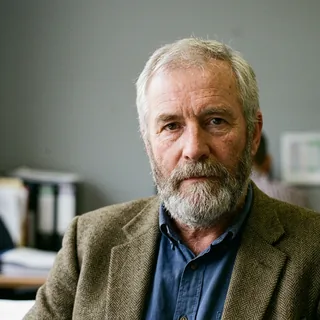
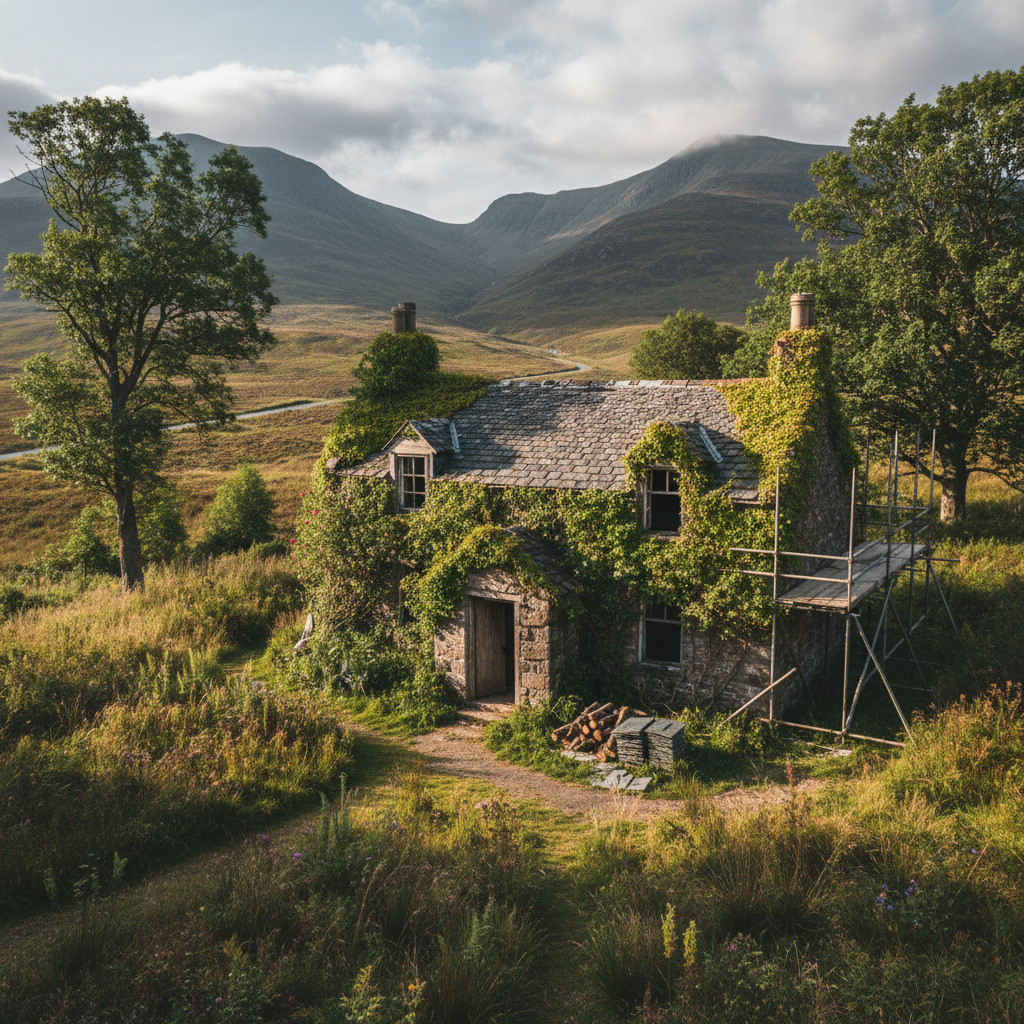
The Scottish Government has announced a £500 million programme to purchase and convert long-term empty residential properties into affordable homes, marking the most significant intervention in Scotland's housing crisis in decades. The five-year scheme, unveiled on 22 July, could bring up to 15,000 derelict homes back into use through partnerships with local councils and housing associations.
Housing secretary ministers confirmed that rural and island communities will receive priority under the programme, alongside urban areas with high concentrations of vacant stock. The initiative includes compulsory purchase powers for what officials term 'stubborn' cases where owners refuse to sell, plus grants for energy-efficiency retrofits designed to reduce bills for future tenants.
Rural Scotland's housing paradox
The announcement addresses a peculiar Scottish paradox: thousands of empty homes scattered across the Highlands and Islands while local families struggle to find affordable accommodation. In many rural communities, derelict cottages and abandoned farmhouses sit alongside soaring house prices that push young people toward urban centres or out of Scotland entirely.
Island communities face particularly acute pressures, where limited housing stock meets inflated prices driven by second-home ownership and holiday lets. The Outer Hebrides, Orkney, and Shetland have all reported chronic shortages of affordable rental properties, forcing key workers to commute vast distances or abandon posts altogether.
The £500 million commitment represents roughly £33,000 per property if the full 15,000 target is achieved, though costs will vary dramatically between a Glasgow tenement requiring basic repairs and a Highland croft needing complete reconstruction. Energy efficiency retrofits could add substantial expense but promise long-term savings for tenants facing Scotland's notoriously high heating costs.
Compulsory powers and local delivery
The inclusion of compulsory purchase powers signals government frustration with owners who leave properties empty for years while housing waiting lists grow. Local councils will gain enhanced tools to force sales of long-term vacant homes, though the legal processes involved could extend timelines considerably.
Housing associations will play a crucial role in delivery, bringing expertise in affordable housing management and maintenance. Their involvement suggests the converted properties will enter the social housing sector rather than private rental markets, potentially offering greater long-term security for tenants.
The partnership model distributes responsibility across multiple agencies but raises questions about coordination and accountability. Rural councils already stretched by budget constraints may struggle to identify suitable properties and navigate complex purchase negotiations without additional staffing support.
Energy efficiency and tenant costs
The programme's emphasis on energy retrofits acknowledges that many empty Scottish homes suffer from poor insulation and outdated heating systems. Rural properties often rely on expensive heating oil or electricity, creating fuel poverty risks for low-income tenants even in supposedly affordable accommodation.
Government grants for efficiency improvements could transform these properties into genuinely affordable homes, but retrofit costs frequently exceed initial estimates. The programme's success may depend on securing additional funding from UK government schemes or European climate initiatives.
For island communities, energy efficiency becomes even more critical given limited grid connections and reliance on imported fuels. Solar panels, heat pumps, and improved insulation could reduce both environmental impact and running costs, making rural living more sustainable for working families.
Implementation challenges ahead
The five-year timeline appears ambitious given Scotland's planning system delays and skilled trades shortages in rural areas. Converting derelict properties often reveals structural problems, asbestos, or contamination issues that multiply costs and extend completion dates.
Legal challenges from property owners facing compulsory purchase could further slow progress, particularly where properties have been inherited or involve complex ownership structures. The programme's success will likely depend on early identification of willing sellers and properties requiring minimal intervention.
According to the BBC Scotland report, the scheme represents the largest single investment in empty homes conversion since devolution. Whether it can meaningfully address Scotland's housing crisis will depend on effective coordination between government agencies, realistic cost estimates, and sustained political commitment beyond the current parliamentary term.
The programme offers genuine hope for rural communities where empty homes have become symbols of decline rather than potential. Success could establish a model for other nations grappling with similar housing paradoxes, but failure risks further entrenching Scotland's rural-urban divide.