Scotland's Council Tax Reckoning: A Long Overdue Reality Check
The Scottish Government's consultation on ending the council tax freeze marks a watershed moment for local democracy, but the political risks are enormous.
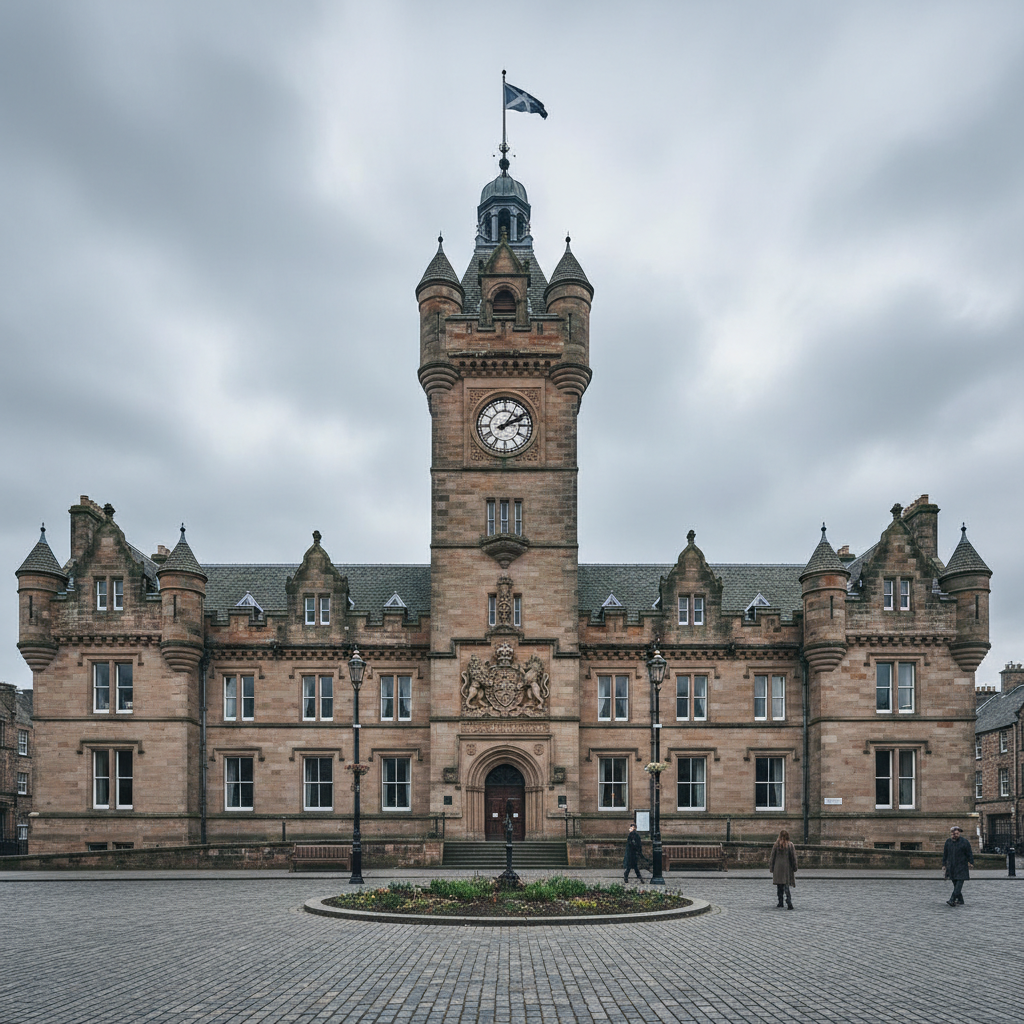
After years of kicking the can down the road, the Scottish Government has finally acknowledged what everyone in local government already knew: Scotland's council tax freeze was always a political stunt masquerading as sound fiscal policy. The consultation launched by Deputy First Minister Shona Robison on 24 July represents not just a policy shift, but a moment of reckoning for a nation that has spent over a decade pretending that essential public services could be maintained without asking anyone to pay for them.
The freeze, introduced as a populist masterstroke, has become a millstone around the neck of Scottish democracy. While ministers basked in the glow of keeping household bills static, councils have been forced into an impossible balancing act—maintaining services with budgets that have shrunk in real terms year after year. The result has been a slow-motion crisis in local government, with libraries closing, roads crumbling, and social care stretched to breaking point.
The Honest Conversation Scotland Avoided
What makes this consultation particularly significant is its timing. Coming amid lingering cost-of-living pressures, the Scottish Government is finally having the honest conversation it should have initiated years ago. The proposals to allow councils to increase council tax, revise bands, and explore alternative local tax powers represent a belated recognition that local democracy requires local fiscal responsibility.
COSLA's response—welcoming greater fiscal autonomy while warning about adequate funding and phased implementation—captures the delicate balance required. Scotland's councils have been starved of resources for so long that any sudden shift risks creating a cliff edge for households already struggling with energy bills and mortgage rates. The challenge is not just technical but political: how do you explain to voters that the free lunch they've been promised for over a decade was always an illusion?
The Price of Political Cowardice
The council tax freeze was always a regressive policy dressed up as progressive politics. It disproportionately benefited middle-class homeowners while doing nothing for renters, and it allowed the Scottish Government to claim credit for keeping bills down while quietly cutting the funding that councils needed to provide services. The real cost was borne by the most vulnerable—those who rely most heavily on local services that have been steadily eroded.
This consultation represents an admission that the freeze was unsustainable, but it also highlights the broader problem with Scotland's approach to taxation and public spending. By centralising so much power in Holyrood while maintaining the pretence of local democracy, the Scottish Government created a system where councils had responsibility without resources, and ministers could avoid accountability for the inevitable consequences.
A Test of Political Maturity
The success of these reforms will depend not just on their technical design but on the Scottish Government's willingness to make the political case for higher taxes. This means acknowledging that good public services cost money, that local democracy requires local tax-raising powers, and that the council tax freeze was a mistake that has damaged both local government and the communities it serves.
The consultation's emphasis on protecting low-income households is welcome, but it cannot become another excuse for political timidity. Scotland needs a tax system that is both progressive and sustainable, not one designed primarily to avoid difficult conversations with voters. The proposals for revising council tax bands and exploring alternative local taxes suggest a recognition that the current system is not fit for purpose, but the real test will be whether ministers have the courage to implement meaningful change.
According to the BBC report, the consultation comes after years of debate about the sustainability of the freeze and growing pressure from local authorities over budget constraints. This pressure was not inevitable—it was the predictable result of a policy that prioritised short-term political gain over long-term fiscal sustainability.
The Road Ahead
The Scottish Government now has an opportunity to reset the relationship between central and local government, but only if it is willing to level with voters about the choices involved. Ending the council tax freeze is not just about raising revenue—it is about restoring democratic accountability and ensuring that those who make spending decisions also have to justify the taxes needed to fund them.
The consultation period will be crucial. If the Scottish Government uses it to build genuine consensus around the need for reform, it could mark the beginning of a more mature approach to public finance. If it becomes another exercise in political management, designed to minimise short-term pain rather than address long-term problems, then Scotland's councils will continue to struggle, and local democracy will remain a hollow promise.
The council tax freeze may have been popular, but popularity is not the same as good policy. After more than a decade of pretending otherwise, Scotland finally has the chance to build a local tax system that serves its communities rather than its politicians. The question is whether it has the political will to seize it.