Scotland's £250m empty homes plan faces delivery test
The Scottish Government's ambitious scheme to buy and refurbish 5,000 vacant properties promises to tackle housing shortages, but questions remain over whether councils can deliver at scale.
The Scottish Government has unveiled a £250 million programme to purchase and refurbish thousands of long-term empty and derelict homes across Scotland, with Housing Secretary Paul McLennan announcing plans to acquire up to 5,000 properties over the next five years. The scheme will target rural and post-industrial communities with high vacancy rates, allowing councils and housing associations to bid for funding to bring abandoned properties back into use.
Targeting Scotland's housing black spots
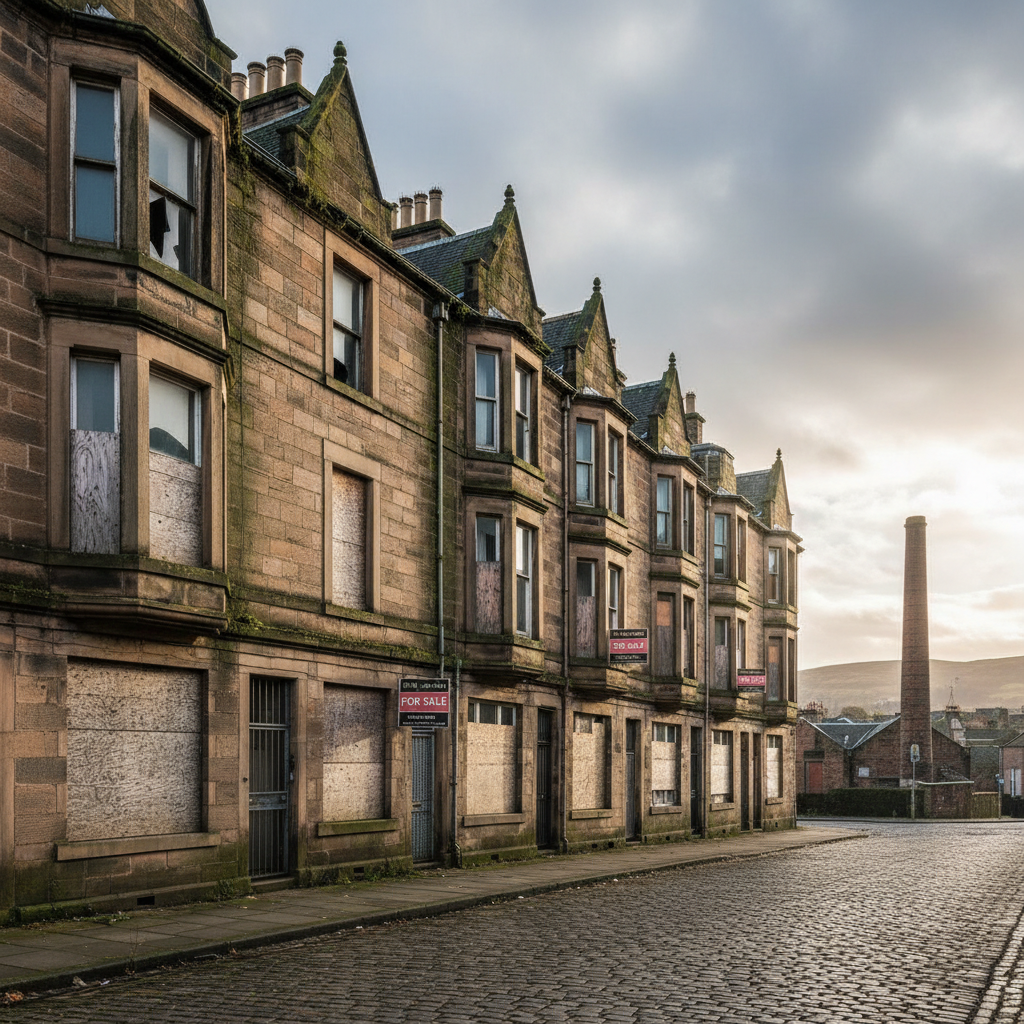
McLennan's announcement prioritises areas facing acute housing shortages and rising homelessness, acknowledging that Scotland's housing crisis extends far beyond Edinburgh and Glasgow. The programme recognises a stark reality: whilst families languish on waiting lists, thousands of homes sit empty across former mining communities in Fife, Highland villages where young people cannot afford to stay, and forgotten streets in Dundee and Paisley where properties have been boarded up for years.
The focus on rural and post-industrial areas reflects where Scotland's empty homes problem is most acute. These are communities where private developers see little profit potential, leaving councils to wrestle with declining populations alongside crumbling housing stock. By targeting these areas specifically, the programme acknowledges that market forces alone will not solve Scotland's uneven housing landscape.
Ambitious promises meet practical concerns
Ministers frame the initiative as addressing multiple challenges simultaneously: cutting waiting lists, supporting town centre regeneration, and reducing carbon emissions by reusing existing buildings rather than constructing new homes. The environmental argument carries particular weight as Scotland pursues net-zero targets, with retrofitting existing properties typically producing far lower emissions than new-build developments.
However, critics who welcome the programme's ambition have raised pointed questions about deliverability. Local authorities already stretched by budget pressures and staffing shortages must now develop expertise in property acquisition, project management, and renovation oversight. The £250 million sounds substantial, but spread across 5,000 properties over five years, it averages £50,000 per home—a figure that may prove optimistic for properties requiring extensive structural work or contamination remediation.
Capacity constraints in council chambers
The programme's success hinges on local capacity that may not exist. Councils must identify suitable properties, negotiate purchases, manage renovation projects, and integrate completed homes into their housing stock. This requires planning officers, surveyors, project managers, and housing specialists—roles that many councils have struggled to fill even for routine operations.
Rural councils face particular challenges. Highland Council, already managing housing across an area larger than Belgium, must now add property acquisition and renovation to responsibilities that include maintaining roads, schools, and social services across scattered communities. The programme assumes these councils can scale up operations without compromising existing services—an assumption that deserves scrutiny.
Scotland's wider housing arithmetic
The programme's 5,000-home target, whilst significant, must be viewed against Scotland's broader housing need. Recent estimates suggest Scotland requires 100,000 additional homes by 2032 to meet demand, meaning this initiative addresses roughly five percent of the shortfall. The programme represents progress rather than a comprehensive solution, raising questions about whether parallel measures will emerge to address the remaining 95,000 homes needed.
The scheme also operates within Scotland's complex housing landscape, where right-to-buy policies, planning constraints, and construction industry capacity all influence outcomes. Empty homes programmes succeed elsewhere when they form part of broader housing strategies, but struggle when treated as standalone solutions to systemic problems.
According to the BBC report, the programme represents the Scottish Government's most significant intervention in Scotland's empty homes problem to date, but its ultimate success will depend on execution details that remain unclear. Whether councils can deliver 5,000 refurbished homes within five years whilst maintaining other services will determine if this programme becomes a model for addressing housing shortages or another well-intentioned policy that founders on practical constraints.
The programme's true test lies not in its £250 million price tag or 5,000-home target, but in whether Scottish councils can transform policy ambition into keys in doors for families who need them. That transformation requires more than funding—it demands capacity, expertise, and sustained political commitment across dozens of local authorities facing their own resource pressures.