Half of England faces flash drought as wildfire risk reaches exceptional levels
Met Office warns of exceptionally severe fire conditions across southern England as temperatures hit 35°C. Emergency services have tackled over 700 wildfires this year alone.

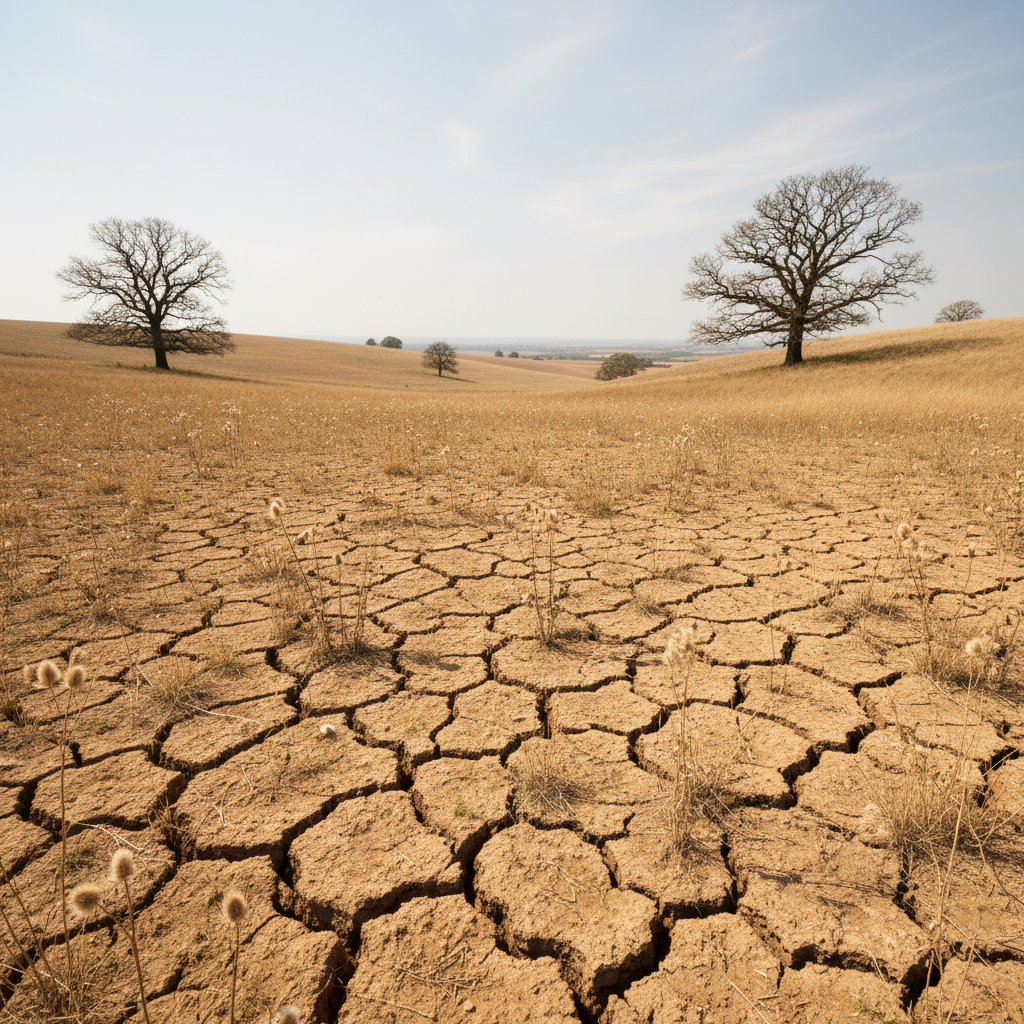
Half of England is now experiencing a "flash drought" following weeks of extreme heat and minimal rainfall, according to Met Office and Environment Agency assessments published on 28 July. The UK Health Security Agency has issued amber heat-health alerts for the East Midlands, East of England, South East and London from Tuesday to Thursday, with temperatures forecast to peak at 35°C in south-east England on Wednesday.
The escalating crisis has prompted stark warnings about wildfire risk, with Met Office fire risk analysis indicating that blazes could be "exceptionally severe" if they ignite in parts of London, the South East and eastern England. The combination of hot, dry ground and parched vegetation has created tinderbox conditions across vast swathes of the country.
Emergency Services Under Mounting Pressure
Fire and rescue services across England and Wales are already feeling the strain, having responded to 706 wildfires in 2026 so far. The National Fire Chiefs Council reports that 208 of these incidents occurred between 16 and 28 July alone, highlighting the intensity of the current fire season. This surge in wildfire activity represents a significant escalation from previous years and underscores the growing demands on emergency response capabilities.
The rapid onset of drought conditions has caught many communities off guard. Unlike traditional droughts that develop gradually over months or years, this "flash drought" has emerged within weeks, leaving little time for adaptation measures. Water companies are monitoring reservoir levels closely as demand soars during the prolonged heatwave.
Record-Breaking July Temperatures
July 2026 has registered temperatures approximately 3°C above the long-term average across the UK, placing it among the hottest Julys on record. This extreme heat has compounded drought impacts on agriculture, with farmers reporting significant stress on crops and livestock. Water supplies are also under pressure, particularly in areas already experiencing supply constraints.
The agricultural sector faces mounting challenges as soil moisture levels plummet. Irrigation systems are working overtime, but many farmers lack adequate water storage capacity to sustain crops through extended dry periods. Livestock farmers are struggling to maintain adequate water supplies for animals while pasture quality deteriorates rapidly.
Climate Resilience Planning Under Scrutiny
The severity of the 2026 drought is forcing a fundamental reassessment of climate resilience planning across England and Wales. Local authorities are reviewing emergency response protocols, while water companies are accelerating infrastructure investment programmes. The speed at which conditions have deteriorated has exposed gaps in preparedness for rapid-onset climate events.
Scotland's own drought and fire preparedness strategies are coming under renewed scrutiny as the crisis unfolds south of the border. Scottish Fire and Rescue Service officials are monitoring developments closely, recognising that similar conditions could emerge north of the border if weather patterns shift. The lessons learned from England's response will likely inform future Scottish resilience planning.
Long-Term Implications for Water Security
Water security experts warn that flash droughts may become more frequent as climate patterns continue to shift. The current crisis highlights the vulnerability of water supply systems designed for more predictable seasonal variations. Infrastructure investments will need to account for more volatile weather patterns, including both extreme wet and dry periods.
The wildfire risk assessment has also prompted discussions about land management practices and urban planning. Green spaces in cities are particularly vulnerable to fire during extreme heat events, raising questions about vegetation management and emergency access routes. According to ITV News reporting, the Met Office continues to monitor conditions closely as the heatwave persists.
As England grapples with its most severe drought conditions in years, the crisis serves as a stark reminder of the accelerating pace of climate-related challenges. The response to this flash drought will likely shape water management and emergency preparedness policies for years to come, with implications extending well beyond the immediately affected regions.