Amber heat alerts issued as England and Wales record driest July on record
UK Health Security Agency warns temperatures could reach 35°C across four regions as provisional data confirms unprecedented dry conditions.

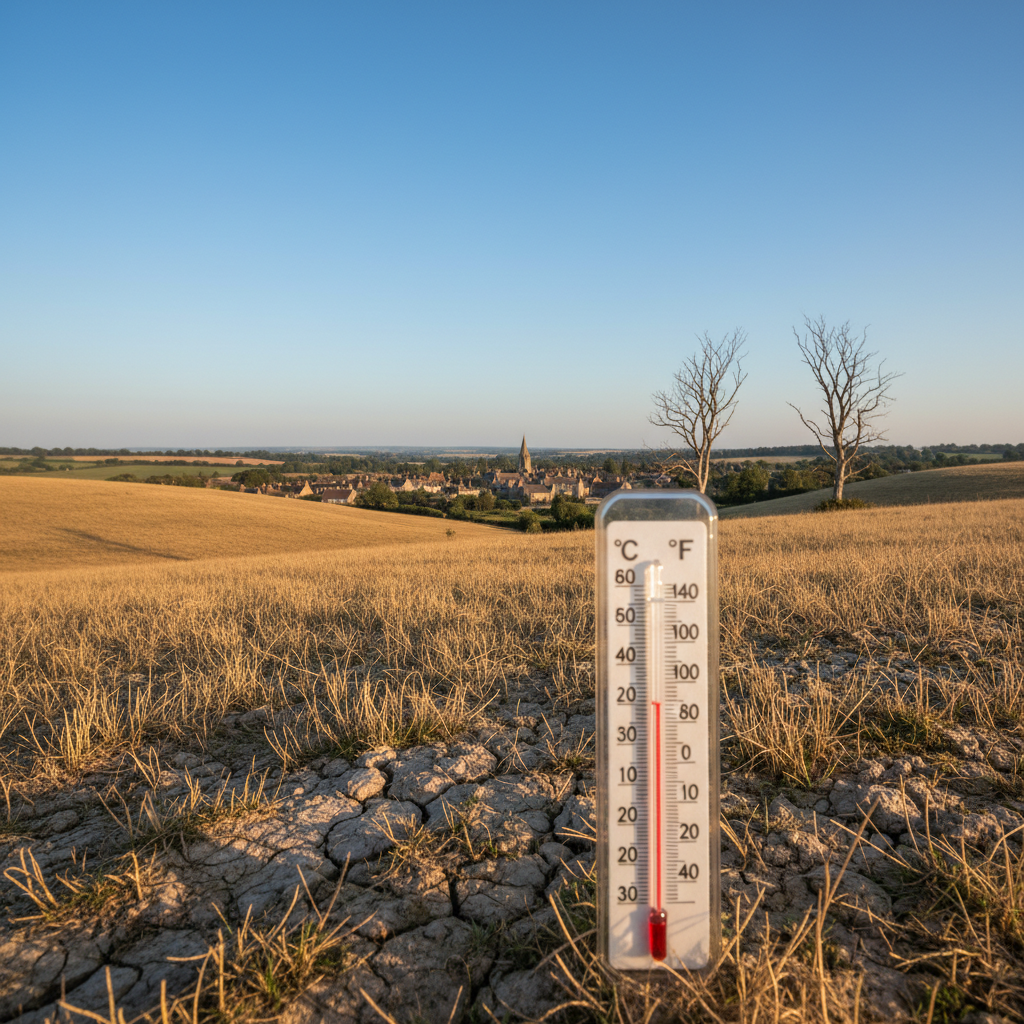
The UK Health Security Agency issued amber heat-health alerts for the East Midlands, East of England, South East and London on 2 August, warning that temperatures could reach 35°C in some areas and place extra pressure on the NHS. The alerts, in force from Monday until Wednesday morning, came as provisional data showed England and Wales had experienced their driest July on record.
UKHSA officials urged health and social care services in affected regions to prepare for increased demand, and advised the public—especially older adults and those with underlying conditions—to stay hydrated, avoid the sun during the hottest part of the day and keep homes cool.
Health services brace for surge in demand
The amber alerts represent the second-highest level in the UK's heat-health warning system, indicating that impacts are likely across the health and social care sector. NHS trusts in the four affected regions have been advised to activate their heat response plans, with particular attention to emergency departments and care homes.
The guidance specifically targets vulnerable groups, including adults over 65, people with cardiovascular or respiratory conditions, and those taking medications that affect temperature regulation. Health officials emphasised the importance of checking on elderly neighbours and relatives during the alert period.
Emergency departments across London and the South East reported preparations for increased admissions related to heat exhaustion and dehydration. Care homes in affected areas have been instructed to monitor residents more frequently and ensure adequate cooling measures are in place throughout the alert period.
The Royal College of Emergency Medicine highlighted that heat-related hospital admissions typically increase by 10-15% during amber alert periods, with older adults and those with chronic conditions accounting for the majority of cases requiring treatment.
Record drought compounds summer heat risks
The heat warnings coincide with England and Wales recording their driest July since records began, according to provisional meteorological data. The unprecedented lack of rainfall has raised concerns about water resources and agricultural impacts, whilst also creating conditions that amplify heat-related health risks.
The combination of sustained high temperatures and record dryness has created what officials describe as one of the most significant mid-summer heat episodes for Britain in recent years. Water companies across southern England have already implemented hosepipe bans in several areas, with reservoir levels dropping to concerning levels.
Thames Water reported reservoir levels at 65% of capacity, significantly below the 85% typically expected for early August. Southern Water and South East Water have extended existing restrictions to cover additional postcodes, affecting over 2 million households across Kent, Sussex and Hampshire.
Agricultural organisations warned that the drought conditions, combined with extreme heat, pose serious threats to crop yields. The National Farmers' Union reported that potato and vegetable harvests in eastern England are already showing stress, with some farmers implementing emergency irrigation where water restrictions permit.
Scotland faces elevated temperatures despite alert exemption
Whilst Scotland has not been included in the amber alert zones, Met Office guidance highlighted that parts of southern Scotland are forecast to reach around 30°C during the same period. The temperatures represent a significant departure from seasonal averages for the region.
Scottish health authorities have issued their own guidance encouraging residents to take precautions during the warm weather, particularly in urban areas where the heat island effect can push temperatures higher than surrounding rural areas.
Public Health Scotland noted that whilst temperatures north of the border remain below amber alert thresholds, the sustained warm conditions still pose risks to vulnerable populations. Glasgow and Edinburgh councils have opened additional cooling centres in community buildings and libraries to provide relief for residents without adequate home cooling.
Extended heatwave conditions forecast ahead
Related Met Office guidance indicated that heatwave conditions and associated health risks were expected to persist across much of the UK into the following week, with temperatures widely above average. The sustained nature of the hot weather has prompted concerns about cumulative health impacts on vulnerable populations.
Weather forecasters warned that the current high-pressure system responsible for the heat and dry conditions showed little sign of breaking down in the immediate term. The Met Office's extended outlook suggests temperatures could remain 5-8°C above seasonal averages through mid-August, with minimal rainfall forecast across southern and eastern regions.
Climate scientists noted that the current weather pattern bears similarities to the record-breaking heatwave of July 2022, when temperatures exceeded 40°C for the first time in recorded UK history. However, current forecasts suggest peak temperatures will remain below those extreme levels.
According to the ITV News report, the persistence of these conditions into August represents an unusual meteorological pattern for the UK. The Environment Agency has convened emergency drought meetings with water companies and local authorities to coordinate response measures if conditions continue to deteriorate.
Public health officials emphasised that preparation and community support would be crucial in managing the health impacts of the extended warm period, particularly as the alerts affect some of England's most densely populated areas including the capital. Local councils have been advised to maintain enhanced welfare checks on vulnerable residents and ensure public cooling facilities remain accessible throughout the alert period.