- Home
- Politics
- Scottish Government unveils income tax changes targeting higher earners for 2026-27 budget
Scottish Government unveils income tax changes targeting higher earners for 2026-27 budget
Cabinet Secretary outlines progressive tax adjustments to fund NHS Scotland and social care, drawing opposition criticism of stealth rises on working families.
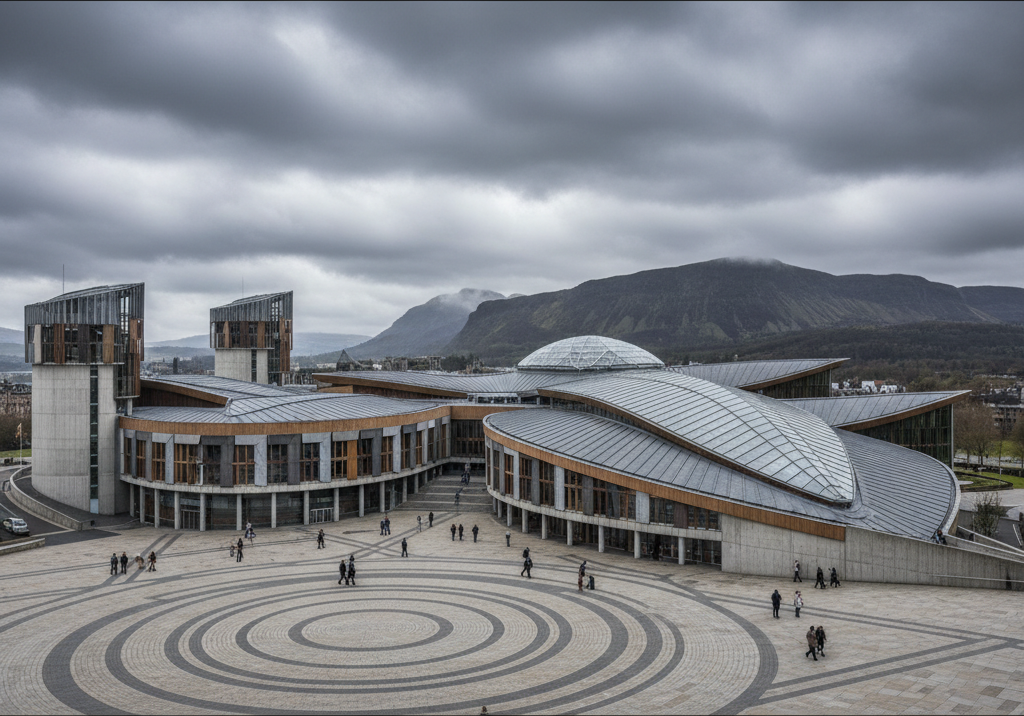
The Scottish Government announced its preferred approach to income tax adjustments on 30 July 2026, with the Cabinet Secretary for Finance outlining plans to maintain progressive divergences from UK tax bands whilst simplifying thresholds for middle-income earners ahead of the 2026-27 budget.
Speaking in Edinburgh, the Cabinet Secretary proposed higher-rate adjustments designed to generate additional revenue for public services, with early departmental briefings indicating funds would be earmarked specifically for NHS Scotland, social care provision, and local authority funding. Detailed figures are expected to follow when the draft budget is published later this year.
Opposition parties cry foul over tax burden
The announcement immediately drew criticism from opposition parties at Holyrood, who branded the proposals a "tax rise by stealth" on working households. The characterisation reflects ongoing political tensions over Scotland's use of devolved income tax powers, which have increasingly diverged from Westminster policy since 2016.
Scottish Conservative finance spokesperson Douglas Ross condemned the proposals as "another hammer blow to Scotland's middle earners," arguing that the government was pursuing ideological tax policy at the expense of economic growth. The Liberal Democrats echoed concerns about the cumulative burden on working families, whilst Labour questioned whether the additional revenue would translate into meaningful improvements in public services.
Business groups also voiced concerns about the potential impact on Scotland's economic competitiveness, warning that higher tax rates could affect the country's ability to attract and retain skilled workers. The Federation of Small Businesses Scotland highlighted particular concerns about the effect on entrepreneurship and business investment, calling for impact assessments before implementation. Industry representatives called for broader consultation on the proposals before they are finalised in the upcoming budget process.
Devolved powers reshape Scottish fiscal landscape
The income tax adjustments represent the latest evolution in Scotland's use of devolved fiscal powers, which allow Holyrood to set rates and bands independently of the UK Government. Since gaining these powers through the Scotland Act 2016, successive Scottish administrations have pursued increasingly progressive tax policies, creating a distinct fiscal environment north of the border.
The progressive approach has seen Scotland maintain higher rates for top earners whilst protecting lower-income households through adjusted thresholds. This policy direction has generated significant additional revenue for the Scottish Government whilst creating a markedly different tax landscape compared to England and Wales. Current estimates suggest Scottish income tax policy generates approximately £200 million more annually than equivalent UK rates would produce.
The divergence has created practical challenges for cross-border workers and businesses, with some high earners reportedly relocating to England to avoid higher Scottish rates. However, government analysis suggests the overall impact on migration patterns remains limited, with most taxpayers continuing to base decisions on factors beyond tax rates alone.
Public service funding pressures drive policy
The proposed changes come against a backdrop of mounting pressure on public service funding, particularly within NHS Scotland and social care systems. Health boards across Scotland have reported significant budget pressures, with waiting lists for non-urgent procedures reaching record levels following the pandemic recovery period.
Local authorities have also pressed for increased funding to maintain essential services, creating competing demands on the Scottish Government's budget allocation. The Convention of Scottish Local Authorities has warned of potential service cuts without additional revenue streams, particularly affecting social care provision for elderly residents.
According to the BBC Scotland report, the earmarked revenue streams would directly address these funding gaps, though the exact distribution between health, social care, and local government remains to be determined in the detailed budget negotiations. Early estimates suggest the tax changes could generate an additional £150-200 million annually for public services.
Constitutional implications of fiscal divergence
The income tax proposals underscore the broader constitutional debate surrounding Scotland's fiscal autonomy and its relationship with the UK Treasury. Each adjustment to Scottish tax policy creates practical divergences that affect cross-border mobility and economic decision-making for individuals and businesses operating across the UK.
Constitutional experts note that the increasing use of devolved tax powers demonstrates the practical implementation of fiscal federalism within the UK system. However, critics argue that piecemeal tax devolution creates administrative complexity without delivering the full accountability that would come with complete fiscal autonomy.
The proposals also highlight ongoing tensions with Westminster over the fiscal framework that governs Scotland's budget settlement. The block grant adjustment mechanism, which determines how devolved tax changes affect Scotland's overall funding, remains a source of technical disagreement between Edinburgh and London.
The 2026-27 budget will mark another significant milestone in Scotland's fiscal devolution journey, with the income tax changes serving as a key test of public support for progressive taxation in exchange for enhanced public service provision. The detailed budget proposals, expected later this year, will provide the full picture of how these tax adjustments translate into spending commitments across government departments. Public consultation on the proposals is scheduled to begin in September, with final decisions expected before the budget statement in December.